Top 10 Unique Beijing Attractions Beyond the Tourist Spots
Beijing is a city where rich history meets cutting-edge innovation, offering a wide range of unforgettable experiences. Here, you can visit the most important cultural sites in China, like the Forbidden City, the Great Wall, etc.
Also, Beijing represents the forefront of China's technological advancement. You will get a chance to experience the latest innovations and smart technologies. In this guide, we'll share the top 10 places in Beijing, helping you plan the perfect trip while discovering its heritage, architecture, local life, and modern edge.
 The Great Wall in Beijing
1. The Forbidden City
 A sundial in the Forbidden City
- Best For: History lovers, culture seekers, and first-time visitors to Beijing
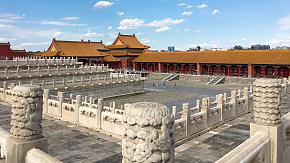
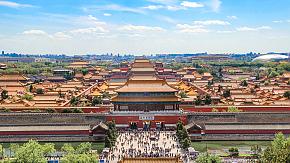
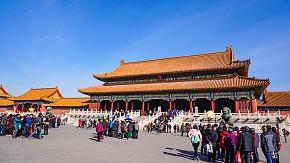
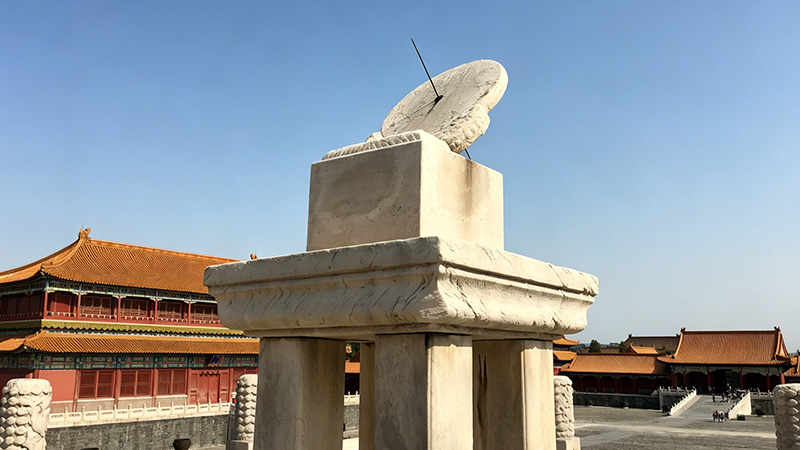
The Forbidden City is one of the most iconic landmarks in China and a must-see in Beijing. It used to be the imperial palace for 24 emperors during the Ming and Qing dynasties, and today it's the largest ancient palace complex in the world.
In the Forbidden City, you can explore a series of palaces that preserve traces of the Qing royal family's life from over 200 years ago. If time allows, visit the Treasure Gallery to admire imperial collections such as paintings, calligraphy, jade, and other precious artifacts. What's more, you can rent traditional Chinese or Qing-style costumes and take photos within the palace grounds for a more immersive experience.
Travel Tips:
- Arrive early in the morning or later in the afternoon to avoid the crowds. If you meet busy hours, our guide will help you avoid peak crowds as much as possible.
- As tickets are limited each day and require advance booking. Consider traveling with us so we can help solve all the problems for you on your China tour, including booking your tickets.
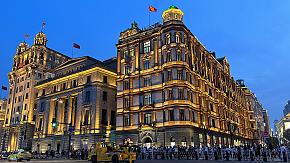
2. The Great Wall
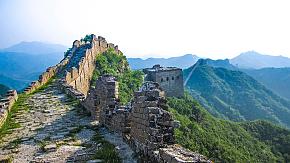
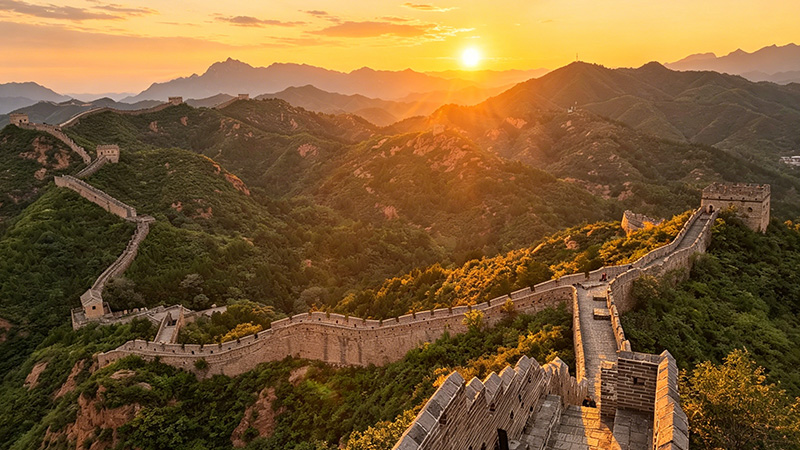 Admire sunrise at Jinshanling Great Wall
- Best For: History enthusiasts, adventure seekers, and outdoor lovers
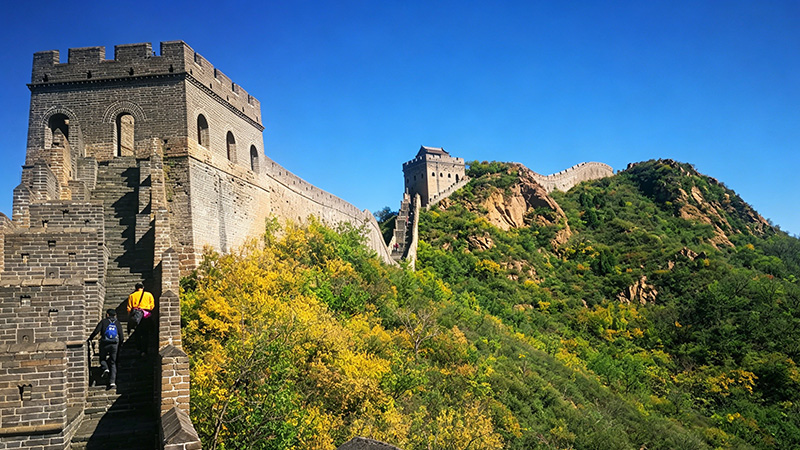
The Great Wall of China stretches over 13,000 miles and was built to defend ancient China from invasions. The sections around Beijing are some of the best preserved and easiest to visit.
The Great Wall has many sections. Usually, half a day is enough to visit one section of the Great Wall. For a more relaxed visit, we recommend the Mutianyu Great Wall. You can take a cable car up, enjoy an easy walk, and ride the toboggan down, which is fun for all ages. If you prefer hiking, head to the Jiankou Great Wall and Simatai Great Wall for a more rugged, wild experience. We also suggest trying a night visit or arranging an afternoon tea at the Great Wall. Both are great ways to experience a quieter, more atmospheric side of it.
Travel Tips:
- Wear comfortable walking shoes with good grip, as some sections like Jinshanling, Simatai, and Jiankou are steep and uneven.
- Bring water and snacks, especially if you plan to hike less-developed sections where facilities are limited.
Recommended Tour Itinerary
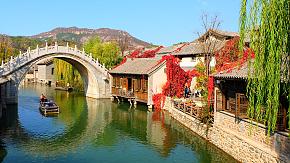
3. The Summer Palace
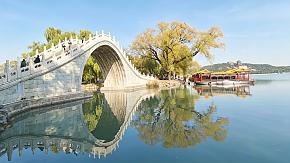
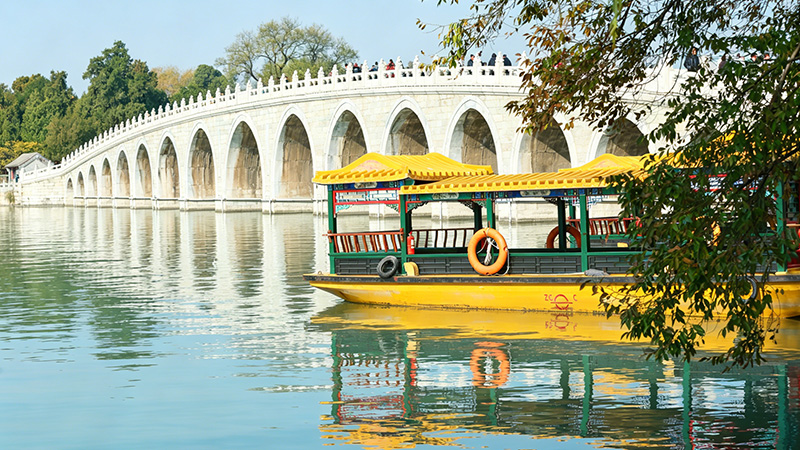 Seventeen-Arch Bridge in Summer Palace
- Best For: Leisure travelers, families, and visitors looking to experience classical Chinese gardens
The Summer Palace is one of Beijing's most famous imperial sites, known for its beautiful gardens, peaceful atmosphere, and classic Chinese architecture.
A visit to this site takes only a few hours. You can take a relaxed walk through the gardens, enjoy the traditional landscaping, and climb up for some great panoramic views.
Another recommended thing to do in the Summer Palace is taking a boat ride on the lake. It's one of the most relaxing ways to explore the area and take in the scenery. In winter, you can even experience ice activities on the frozen lake, which is quite unique.
Travel Tips:
- For photography, head to Longevity Hill for panoramic views of Kunming Lake, and walk along the Long Corridor for framed shots with intricate painted ceilings. Sunset light over the lake also creates some of the best photo opportunities.
Recommended Tour Itinerary
4. The Temple of Heaven
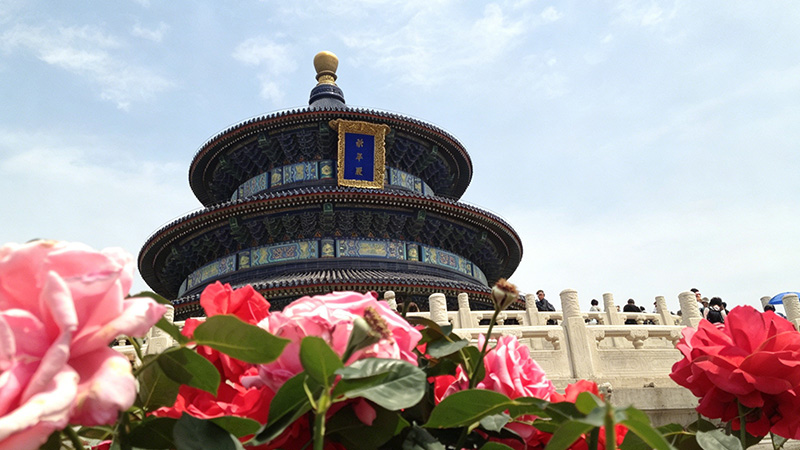 Temple of Heaven in Beijing
- Best For: Visitors interested in Chinese history, architecture, and traditional rituals
The Temple of Heaven is a historic site where emperors once prayed for good harvests, and it's a great place to get a feel for traditional Chinese culture.
You can walk around the complex, admire the unique architecture, and imagine what imperial ceremonies were like. If you seek a more local experience, consider visiting in the morning. You can join locals doing Tai Chi or playing traditional games for a relaxed start to your day. If you're interested, we can also arrange a Tai Chi session with a local master for a deeper cultural experience.
Travel Tips:
- Every Friday, on weekends, and during Chinese public holidays, the Temple of Heaven is illuminated from 7:00 PM to 9:00 PM. The view of this temple at night is perfect for photography.
5. Beijing Hutongs
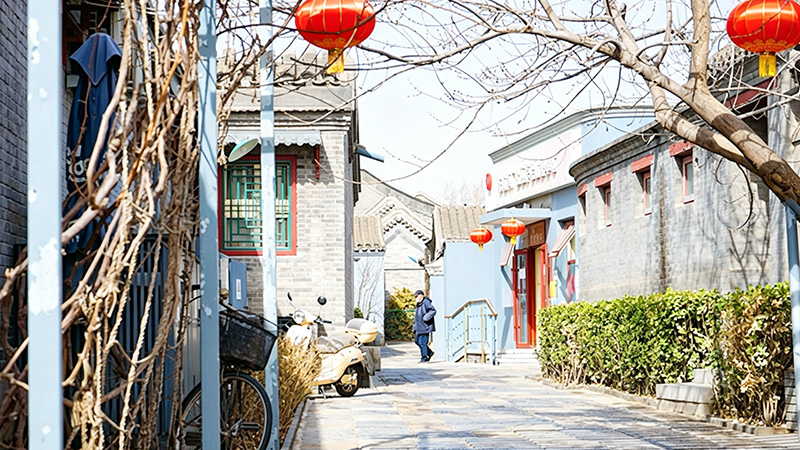 Stroll around Beijing hutong
- Best For: Travelers seeking a cultural experience or looking to explore traditional Beijing life and architecture
Beijing's hutongs are good places to meet the city's old neighborhoods. These narrow, maze-like alleys are the heart of old Beijing, where centuries-old courtyard homes (siheyuan) still stand.
You can take a rickshaw ride through the narrow alleys, peek into hidden courtyards, and watch everyday life unfold. Visiting a local family adds a special touch: you might share a meal with them, learn to cook a traditional dish, or just chat and hear their stories. It's a hands-on, authentic experience that really brings Beijing's culture to life.
Travel Tips:
- For an authentic experience, consider visiting the Shijia Hutong. The houses in Shijia Hutong are still inhabited by local residents. It's usually quiet and not crowded. You can also visit the Shijia Hutong Museum to learn about the stories of local people from the past.
6. Universal Beijing Resort
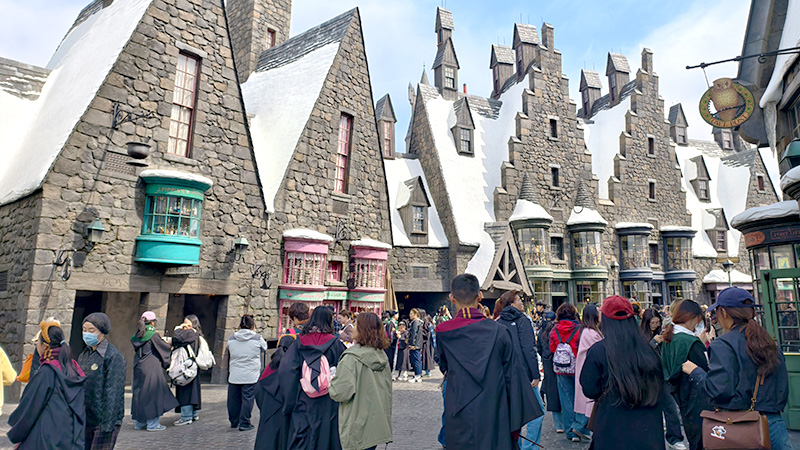 Hogsmeade in Universal Beijing Resort
- Best For: Families with kids, movie lovers, and thrill-seekers alike.
Universal Beijing Resort is a theme park that brings the scenes and characters created by Universal Studios to life. It has over six themed areas, including Harry Potter, Minions, and more. So we recommend setting aside a whole day to explore Universal Studios.
If you're a movie fanatic, here you can experience the recreation of several classic movie scenes, such as Jurassic Park and Hogwarts Castle from Harry Potter.
Don't miss Universal's live performances, including stunt shows and parades that feature movie characters like Minions, Kung Fu Panda, and more.
Travel Tips:
- To make the most of your day, consider purchasing an Express Pass. You can skip the regular lines at popular attractions and make the most of your time in the park.
7. Guozijian & Temple of Confucius
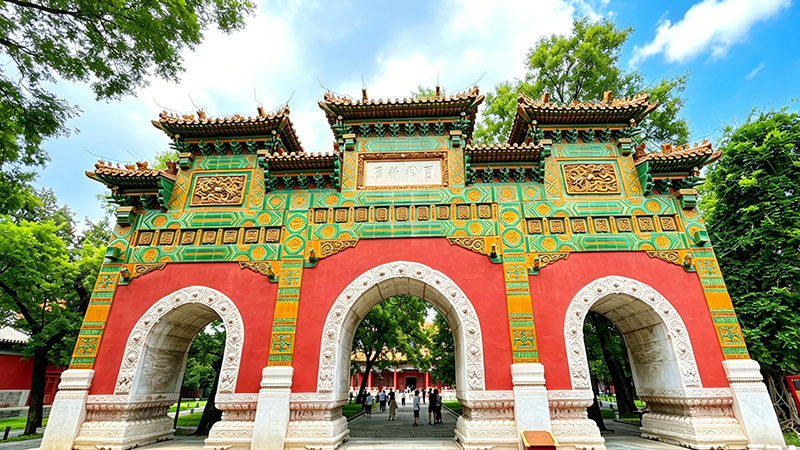 A memorial gate of Guozijian
- Best For: scholars, cultural explorers, and visitors who prefer less crowded attractions
If you want a calm cultural escape in Beijing, head to the Temple of Confucius and Guozijian to explore ancient scholar life. Here, you can stroll through peaceful courtyards, admire stone tablets engraved with Confucian classics, and explore the ancient classrooms where scholars once studied for the imperial exams.
Travel Tips:
- Dress modestly, as it is a site of historical and cultural significance and Confucian education.
- Guozijian is right next to the Lama Temple, but it has far fewer crowds. Plus, there's a snack street nearby that's definitely worth visiting to try some Beijing treats.
8. AI Experience Centers
- Best For: students, tech-savvy travelers, and innovation seekers interested in AI
If you visit Beijing, trying the latest AI technology in China is a unique experience you don't want to miss. Many tech companies in Beijing have set up AI experience centers that are open to the public, like Alibaba, iFLYTEK, Xiaomi, etc. In these AI experience centers, you can learn how AI production helps doctors diagnose illnesses faster and how AI-powered driving is applied in daily life. iFLYTEK even launched AI tutors that can assist in learning new languages.
Travel Tips:
Currently, a minimum group size of 30 people is required to visit any of those AI experience centers. If you're interested, feel free to contact us. We'll do our best to help arrange your visit.

9. POPLAND in Beijing
- Best For: Pop culture fans and young travelers
POPLAND is a Pop Mart-themed park located in the center area of Beijing. In the park, you will find famous Pop Mart characters like Molly, Labubu, and Dimoo come to life.
Unlike traditional theme parks, POPLAND is more about immersive art and storytelling than rides. You can find many photo-worthy installations in the park. Also, POPLAND is one of the best places to buy limited-edition Pop Mart blind boxes that you can't find elsewhere.
Travel Tips:
- A standard ticket gives you unlimited access to the rides. If you're not interested in rides, you can opt for a sightseeing ticket.
- POPLAND is open from 10:00 AM to 8:00 PM, with shows or character meet-and-greet sessions held every hour throughout the day.
10. 798 Art District
- Best For: Designers, photographers, young travelers, and visitors who prefer a relaxed pace
The 798 Art District is Beijing's most famous contemporary art zone, set in a former industrial complex filled with galleries and studios.
When you're there, you can wander through many exhibitions or simply explore the streets lined with graffiti and large art installations. You'll also find plenty of cool cafes where you can take a break and soak in the artsy vibe. It's the kind of place where you don't need a strict plan. You can slow down your pace of traveling, take photos, and enjoy discovering the unique artistic atmosphere of Beijing. If you want to visit the galleries and exhibitions, we recommend you set aside at least two hours.
Plan Your Beijing Tour With Us
Beijing's top attractions offer a perfect blend of history, culture, and modern wonders, making it a city that demands exploration. To ensure you experience the best of what Beijing has to offer, let us take care of every detail. Contact us or write to trip@odynovotours.com and start to craft your Beijing tour today!