Top 8 Famous Beijing Hutongs & Travel Tips
If you want to experience real China, it's time to step into the winding side streets, courtyards, and Hutongs of Beijing. These Hutongs give visitors an authentic glimpse into the past, the opportunity to try genuine local cuisine, and the chance to interact with Chinese families and realistically appreciate what life is like.
Hutongs are slender alleys dating back to the early 13th-century Yuan Dynasty. They are residential districts with a deep sense of community and a link to the past. In contrast to Bejing's more modern architecture and sky-high buildings, these historic districts are as unique as they are charming.
Essential Information for Visiting Beijing's Hutongs
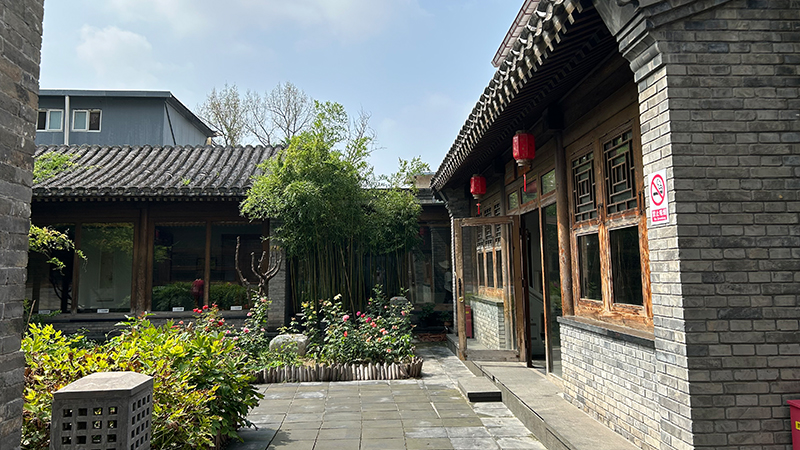 A courtyard in Shijia Hutong
- Location: Most hutongs are located near the Forbidden City
- Opening hours: Open all times, as they are local streets
-
Entrance Ticket: The hutongs are free, but if you want to experience rickshaw rides, it will cost 100 to 200 RMB (approximately $14 to $28 USD).
Recommended Tour Itinerary
8 Best Hutongs in Beijing
While visiting the Hutongs should certainly be on everyone's Beijing must-do list, it can be tricky to know where to begin. We can help you plan your itinerary and ensure you don't miss a thing on your journey. We've selected the eight best Hutongs in Beijing, offering you an authentic glimpse into ancient Beijing. These are bound to be the highlights of your China trip.
Nanluoguxiang
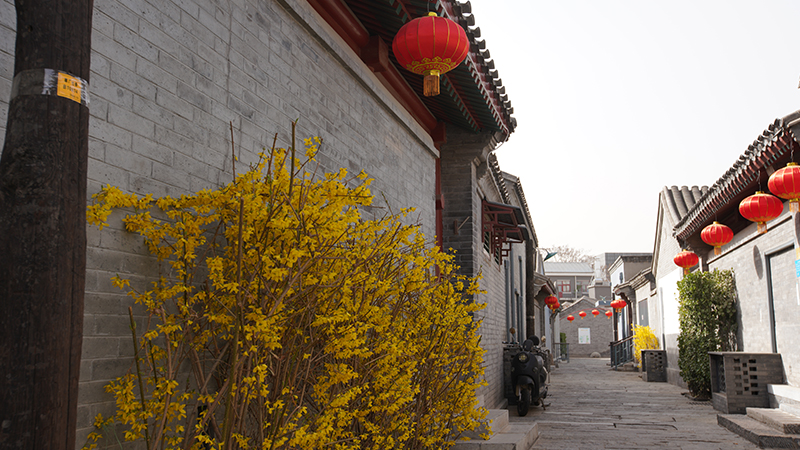 Flowers are blooming in Hutong
If you're looking for stunning architecture and a true snapshot of what life was like in the earlier days of Beijing, you'll want to spend some time in Nanluoguxiang Hutong. It's an endlessly exciting place, full of handsome courtyards with gorgeous red lanterns, cafes, and tasty street food everywhere you look. Plus, you can see some of the best street art in Beijing on the winding streets of Nanluguxiang.
Visit the district's ancient Drum Tower for a birds-eye view of the labyrinthine Hutong, or stop into Prince Gong's Mansion and see some incredible relics from the Qing Dynasty. The last empress of China, Wan Rong, also lived in this district, so you'll be tracing the steps of royalty as you walk here.
Yandai Xiejie
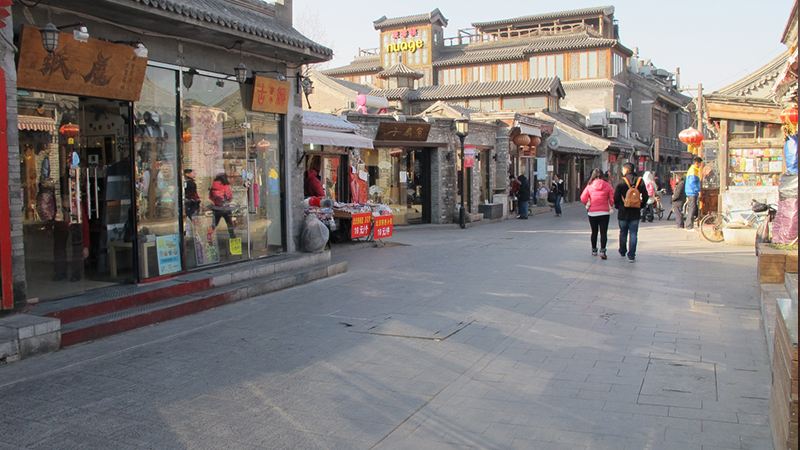 Yandai Xiejie
Visit the Yandai Xiejie Hutong if you're hungry for genuine Beijing food. You'll be able to sample pork liver, lamb, wontons, oyster pancakes, and plenty of different types of pastries. Plus, this Hutong has splendid architecture and is a great place to find souvenirs and unique clothing.
It's also one of the more popular Hutongs amongst tourists and local people and a great spot to connect with other travelers and meet local friends.
Mao'er Hutong
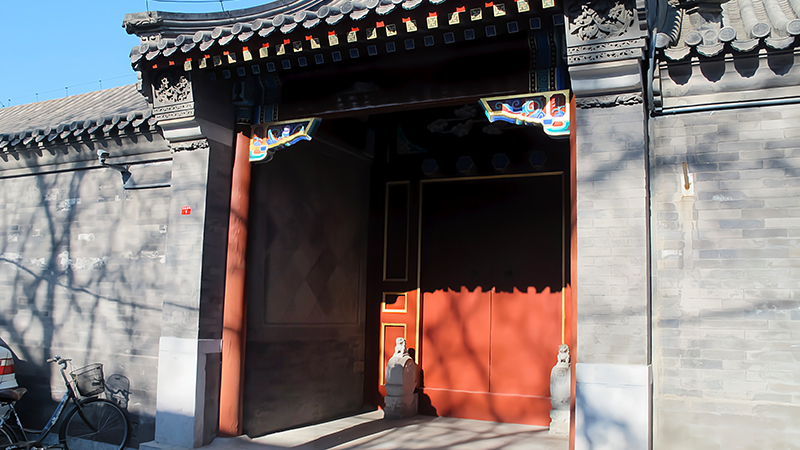 The gate of an old and luxurious house in Hutong
If you want to walk in the steps of Beijing royalty, head to Mao'er Hutong. The last empress of China, Wan Rong, called this Hutong her home, and Hong Chenchou of the Ming Dynasty lived there once. The architecture is splendid, and you can walk through Wan Rong's courtyard, which is an enriching and once-in-a-lifetime historical experience.
Plus, you'll also find plenty to see on the street itself, from the lovely red lanterns to the carefully cultivated vegetation.
Guozijian Street
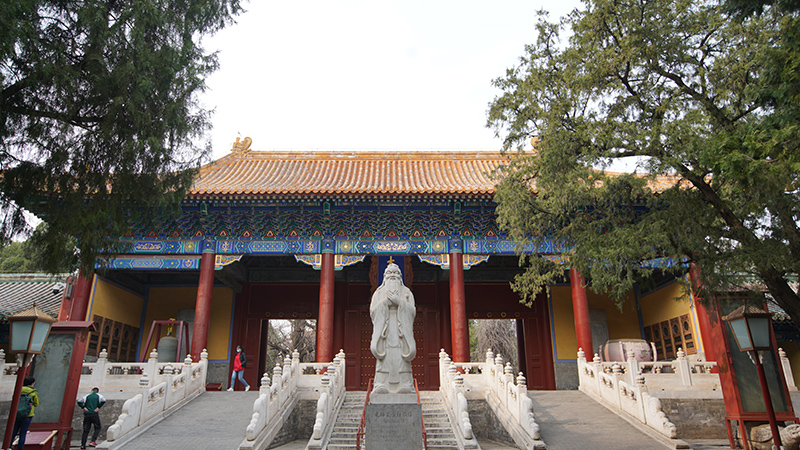 You can take an excursion to Guozijian
This Hutong is one of the most fascinating spots in Beijing because it's home to the Temple of Confucius and close to Yonghegong, a major Tibetan Buddhist temple and another spiritual and historical point of interest in the city. It's also full of handsome locust trees, making a stroll down this Hutong a shady and pleasant experience on hot days.
When you visit, you'll find crimson and grey courtyards, several arches near the eastern end of the Hutong, and the temple itself.
ShiJia Hutong
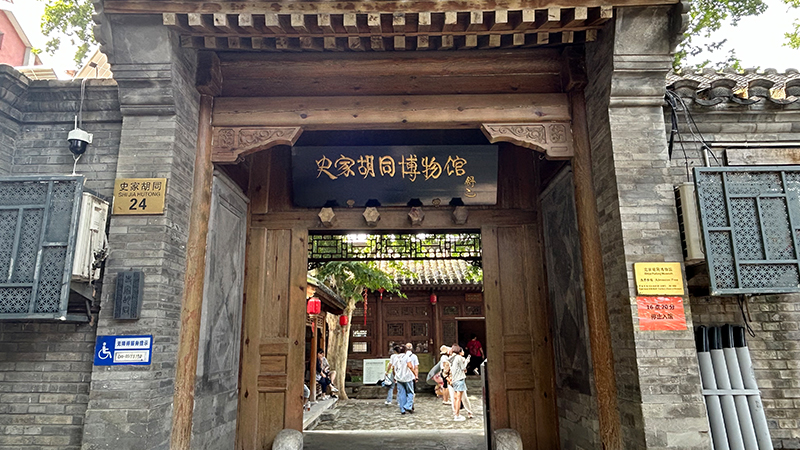 Shijia Hutong Museum
Dating back to the Yuan Dynasty, the ShiJia Hutong is a living museum where you can learn about Chinese history and culture. It's an excellent place to go if you want to learn about early Chinese communities, the people who dwelled in ShiJia and other Hutongs, and listen to oral histories about what life was like.
There are also large exhibits that recreate what living spaces would have looked like in different decades. One of the most exciting aspects of the ShiJia Hutong is the Memory of Time exhibit, where you can listen to what you would have heard on the Hutong street at various times.
Dongjiaominxiang
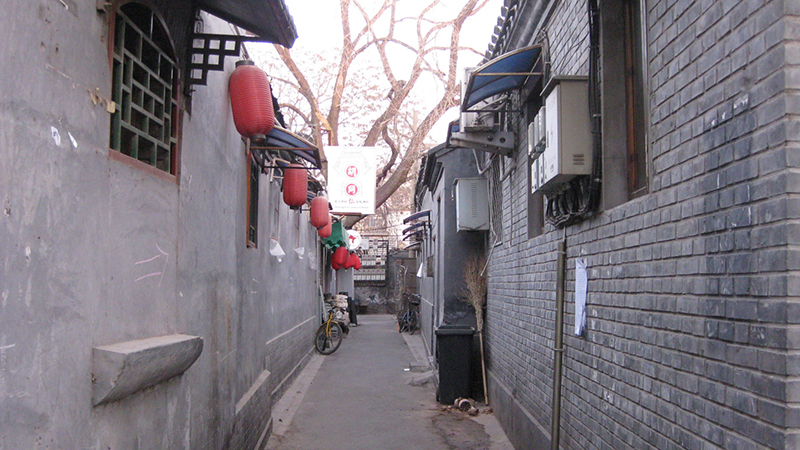 A corner of Hutong
Dongjiaominxiang is one of the best Hutongs in Beijing because it's three kilometers long and dates back to the 13th century. This Hutong is both a residential neighborhood and near embassies.
The Hutong itself was once the site of international legations, and overseas banks gave it a decidedly international flair. The highlight is St. Michael's Church, a tiny Catholic church made of wood and marble.
Xijiaominxiang
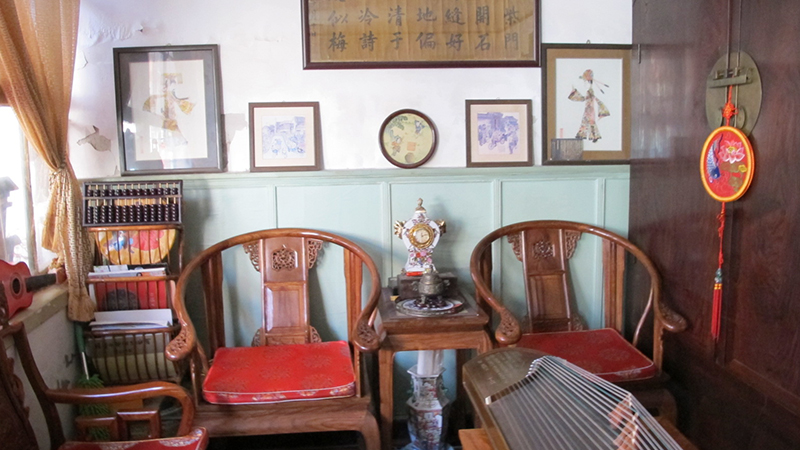 Traditional furniture inside of a Siheyuan
The site of many overseas banks and a money museum, Xijiaominxiang Hutong, is bygone Beijing's financial heart. Here, visitors can find Daqing Bank, Central Bank, and the Commercial Guarantee Bank of the Beiyang Government.
Bada Hutong
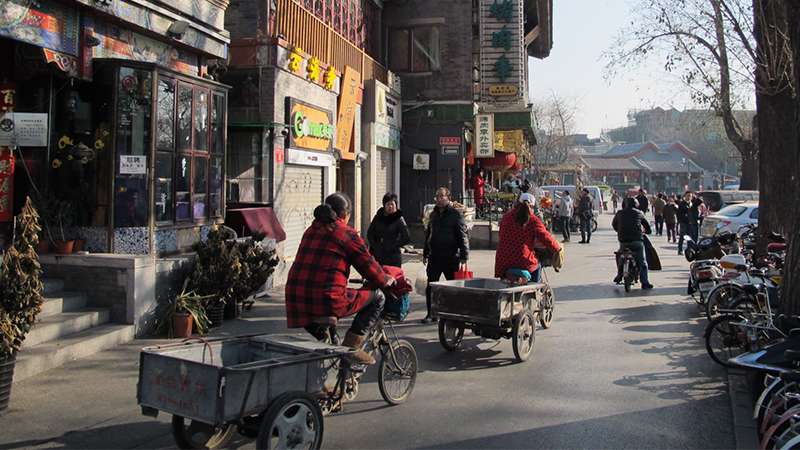 Explore local people's life in Hutong
Beijing's nightlife comes alive in the Bada Hutong, which was once the city's red-light district, and visitors can see old brothels on their travels through its winding streets. Today, you'll find plenty of shopping in this Hutong. The Bada Hutong Market is an excellent spot to find some treasured souvenirs.
Top Things to Do in Beijing Hutongs
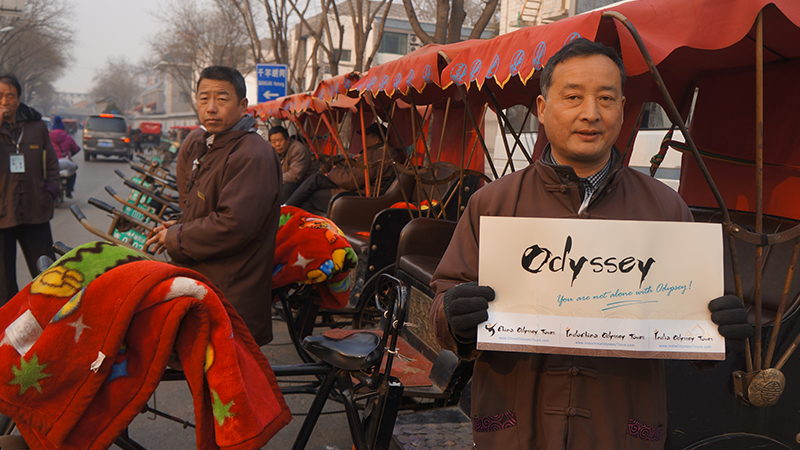 The rickshaw driver is holding our logo
There are plenty of things to do in the Hutongs, and we can help you plan them all out and ensure a spectacular trip full of memories that will last a lifetime. Visitors love to take a rickshaw ride down the narrow streets of the Hutong. It's an efficient, authentic, and interesting way to see it all.
You can also visit a local family and learn about Chinese culture, history, and everyday life. We're happy to help you arrange this special part of your trip.
Additionally, you'll want to make plenty of time to try all of the fabulous street food that awaits you on every corner of each Hutong.
Travel Tips for Beijing Hutongs
You can visit the Hutongs any time of the year, although it is advisable to avoid public holidays if you want to minimize the crowds.
You'll be doing plenty of walking, so good shoes are a must, and you should bring plenty of water with you. Many Hutongs will have small cafes and restaurants, but staying hydrated is always a good idea, especially in the hotter months.
Also, please remember that people live in the Hutongs. While you can take pictures of the Hutongs themselves or of interesting street art or architecture, always ask local people if they mind having their picture taken, and don't go into any private residences unless you are invited to do so.
Beijing's Hutongs are unlike anywhere else on the planet, and they are the perfect place to appreciate Chinese culture and history truly. Contact us at China Odyssey Tours today and let us help you create the perfect itinerary for your Hutong visit.