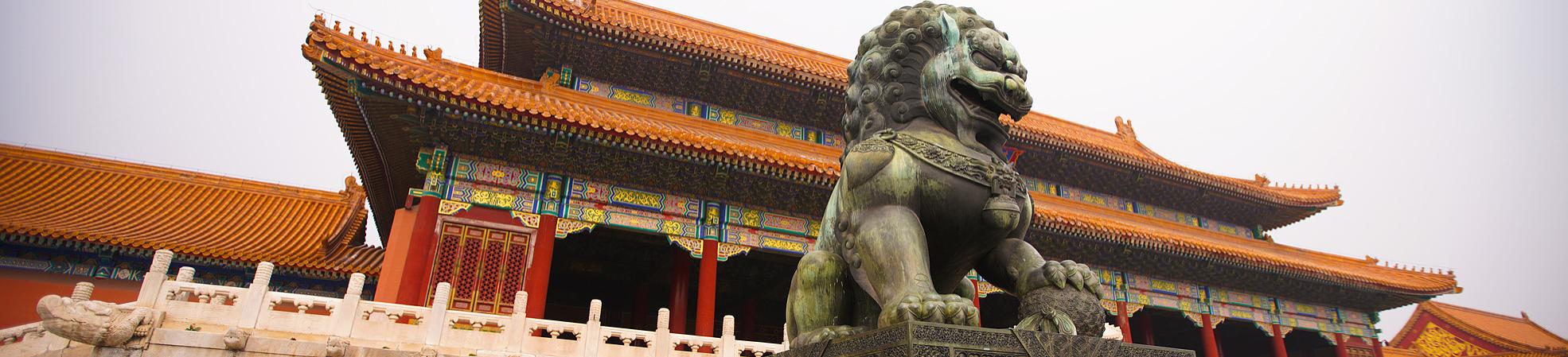
Ming Tombs: Resting Place of 13 Ancient China Emperors
Recognized as a UNESCO World Cultural Heritage site and designed according to Feng Shui principles, the Ming Tombs offer a fantastic glimpse into Chinese royalty's ancient rituals and traditions.
These tombs contain the remains of thirteen of the sixteen Ming Emperors who shaped the ancient world between 1368 and 1644. The sprawling and magnificent complex pays proper respect to these fallen rulers, allows visitors to marvel at the architecture, and gives a true look at what life was like during the Ming Dynasty.
Essential Information for Visiting Beijing Ming Tombs
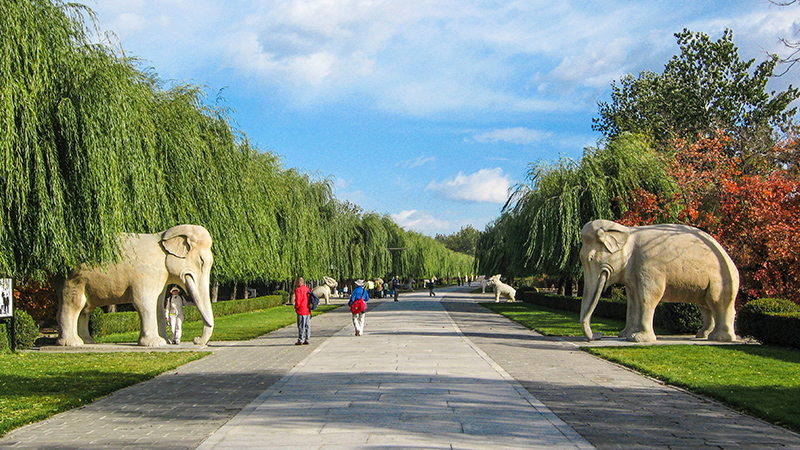 The Sacred Way with animal statues
- Location: 50 km from central Beijing, located on Changchi Road, Changping District, Beijing
- Opening hours: April 1- October 31: 8 a.m. to 5:30 p.m., November 1 to March 31, 8:30 a.m. to 5 p.m.
- Entrance Ticket: The costs vary for the different tombs and The Sacred Way. You can purchase them individually or as a package deal. Traveling with a tour company can help you navigate the costs and see everything.
The Ming Tombs sit right on a bus route. You can take the Special Tourist Bus Number 872 to Ding Ling or Chang Ling tombs between 7:10 a.m. and 7:10 p.m. You can also take a taxi from anywhere in the city.
Ming Dynasty Tombs: A History
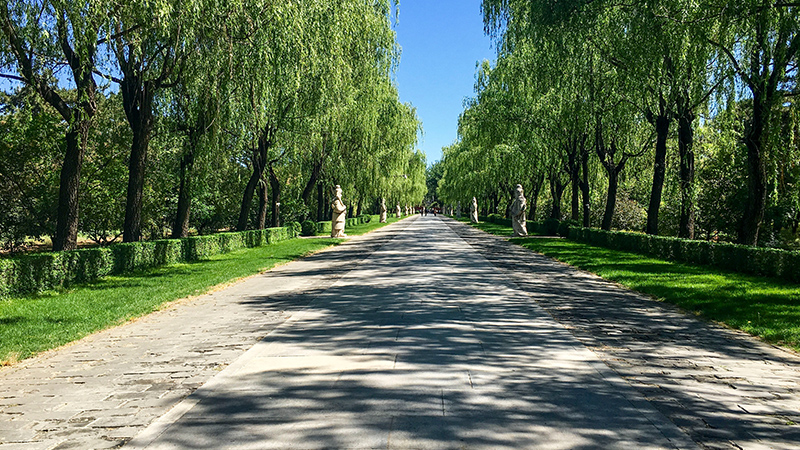 The Sacred Way with human statues
Of the sixteen famous Ming Dynasty emperors, thirteen are buried at the Ming Dynasty Tombs, making this area one of the most important historical sites in Beijing. These tombs are just outside of Beijing's downtown core on Tianshou Mountain and were built in the 15th century by Emporer Yongle, who also erected Beijing's famous Forbidden City.
Emperor Yongle is buried in Chang Ling, one of the three tombs open to the public.
Why the Ming Tombs Are a Must-Visit Attraction
The Ming Dynasty Tombs are an excellent example of Ming-era architecture and one of the most important historical relics in the city of Beijing. Along with the Forbidden City, they will give visitors a comprehensive overview of the Ming style and a primer on the history of the dynasty as a whole.
Plus, you can combine your Ming Tomb tour with a visit to the Great Wall. Our team can help put together an itinerary that allows you to see both attractions with all of the background details you need to appreciate the relevance of each.
Chang Ling Tomb
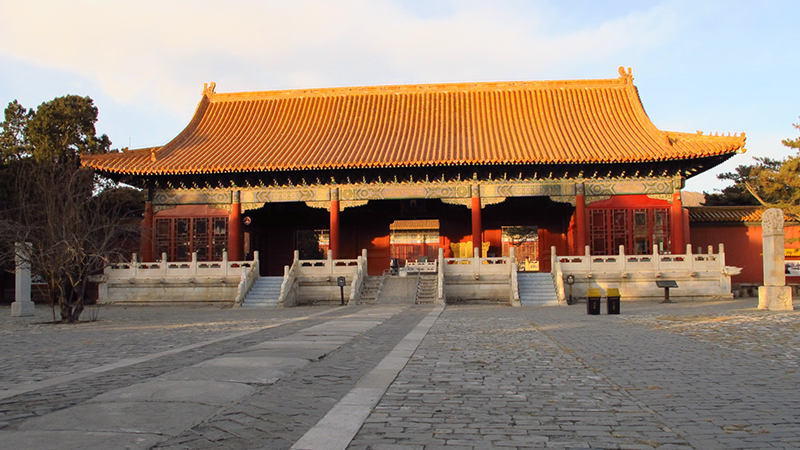 A palace in Changling Tomb
Emporer Yongle's tomb, Chang Ling, is also known as the “Forever Tomb”. Yongle, or Emperor Zhu Di, is buried amongst thousands of relics alongside his partner Xu. The Chang Ling tomb is easily one of the most impressive of the Ming Dynasty Tombs, and thousands of relics and ancient treasures have been discovered within.
Visitors will also have a chance to marvel at the tomb's colorful and elegant Front Gate and the Hall of Eminent Favor, where they can see personal relics from Emporer Yongle and his family. The Ling Xing Archway, representing the soul's journey to heaven, and the Soul Tower, where the Emperor and Empress are buried, are other important aspects of this sacred space.
Ding Ling Tomb
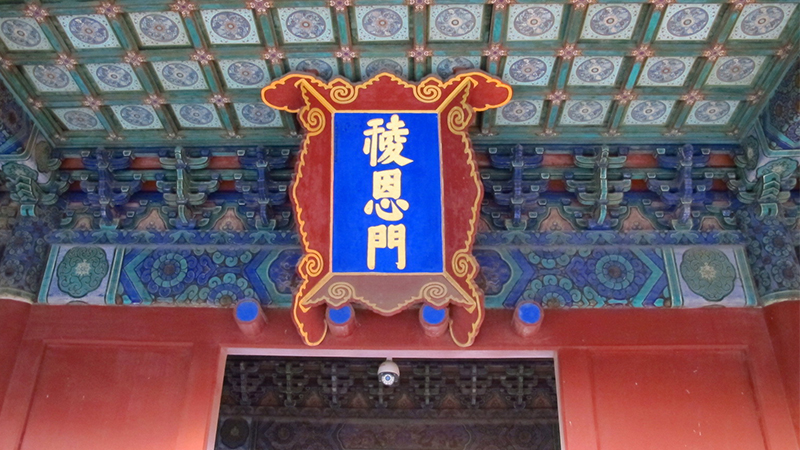 The plaque hanging on the palace gate in Ming Tombs
The final resting place of the Wanli Emperor, also known as Emporer Zhu Yijun, and select members of his family, the Ding Ling Tomb, has been fully researched and excavated. This means that visitors have the unique privilege of visiting the burial chamber and getting a look into what Ming Dynasty end-of-life customs were like.
Ding Ling is an essential component of any Ming Tomb trip because it provides ample context and background into royal burial traditions. Visitors will also have a chance to see the Underground Palace, which spans five underground chambers and contains the 'ever-burning' lamp and remains of the Wanli Emperor.
Zhao Ling Tomb
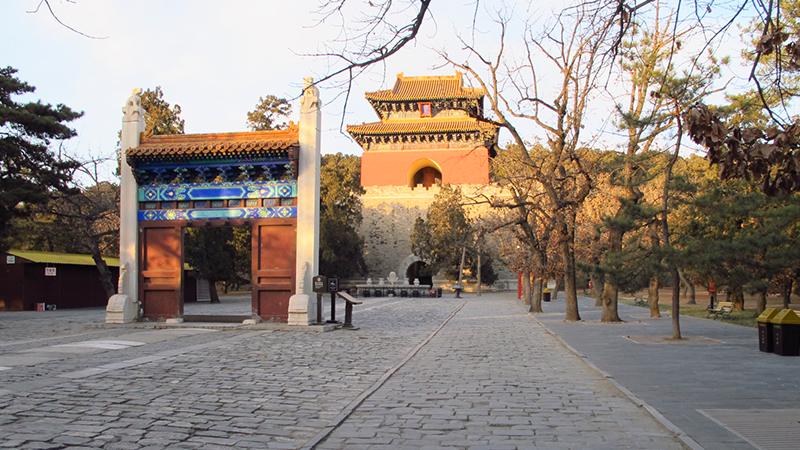 The tranquil view in Ming Tombs
Ming Dynasty Emporer Zhu Zaihou's tomb, Zhao Ling, is one of the only tombs in the complex to be constructed above the earth, and you can pay your respects to Zhu Zaihou and his three Empresses in a lovely crescent-shaped garden that holds their remains. It's notable because it's another example of Ming Dynasty architecture and provides an interesting balance to the Underground Palace of the Ding Ling Tomb.
The Sacred Way
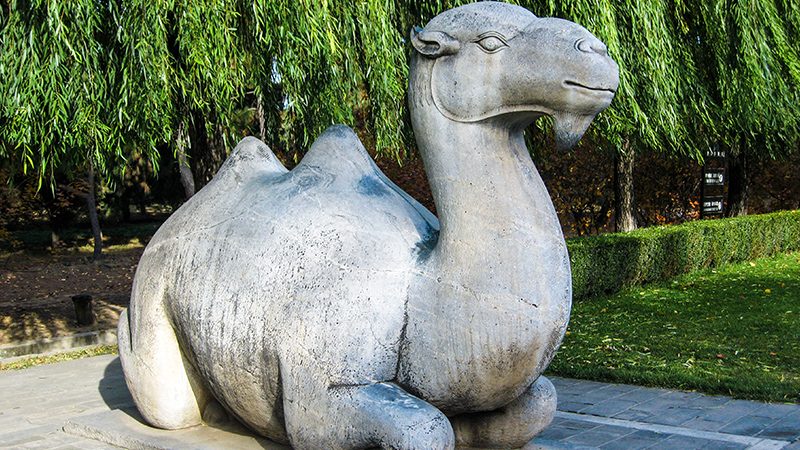 A closer look at the camel statue on the Sacred Way
The Sacred Way also goes by the name “Chang Ling Sacred Way” and leads visitors in the direction of Emporer Yongle's tomb. It's an important destination in and of itself, with several relics like the Great Red Gate, Lingxin Gate, and Stone Tablet Archway.
The Sacred Way is also an important link between this life and the next, representing the Emporer's journey to heaven. It's also designed in accordance with the stars, with the points of interest facing the Pole Star. The Ming Dynasty associated heaven with the north, so this careful setup certainly makes a lot of sense.

How to Visit the Ming Tombs
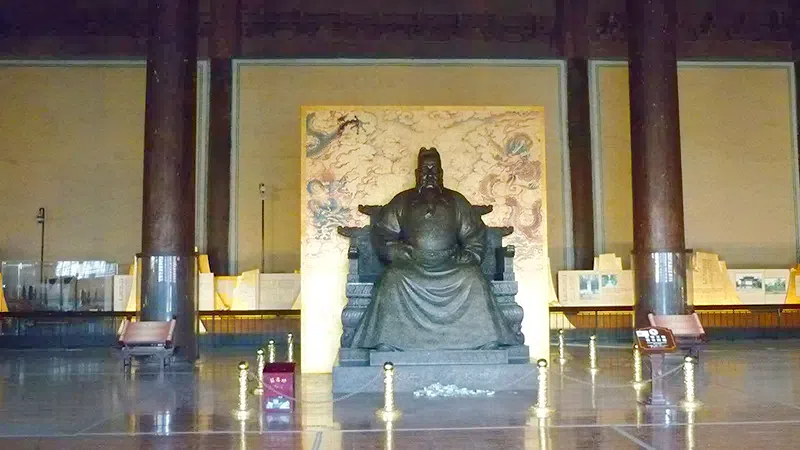 The statue of an emperor in the Ming Dynasty
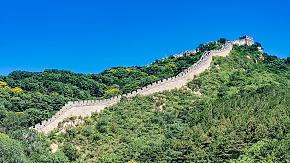
Many visitors like to make the most of their trip to the Ming Tombs by combining it with a visit to the Great Wall. We can help organize a full-day trip for you, which starts at the Great Wall at Badaling and ends at the Chang Ling tomb. During this journey, you'll have a chance to enjoy the Sacred Way and Ding Ling Tomb, as well as the Ming Emperor's Wax Museum.
While the Great Wall existed before the Ming Dynasty, most of the modern construction is thanks to that impressive and mighty dynasty, so it makes perfect sense to see two marvels of Ming engineering at the same time.
Tips for Visiting the Ming Dynasty Tombs
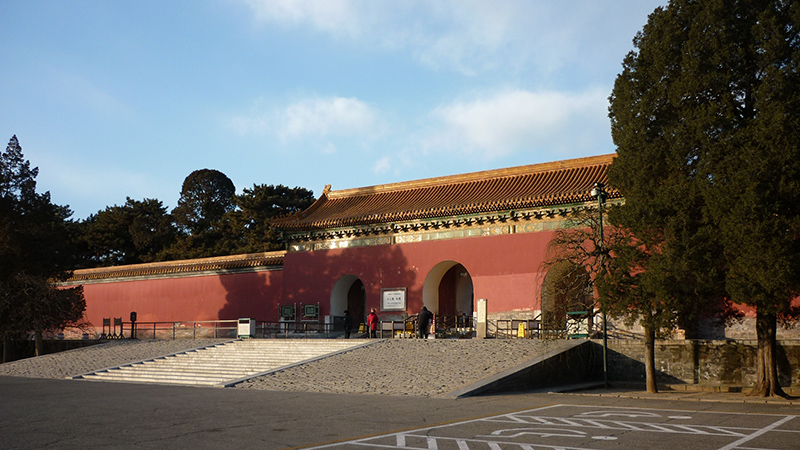 Beijing Ming Tombs
If you want the chance to have more of the tombs to yourself, it's advisable to visit earlier in the day and avoid school holidays. Additionally, while you can purchase individual tickets for each tomb and The Sacred Way, buying them all as one package might be more efficient and cost-effective. We can help you work out the plan that's best for your schedule and interests.
It's also important to remember that the Ming Tombs are a respected and profoundly reverent place, so it's a good idea to cover up when visiting these sacred spaces. Proper footwear is also a smart idea, as there's plenty of walking through the tombs themselves and on The Sacred Way. You should also bring sunscreen and water, especially during the summer months.
The Ming Dynasty Tombs: A Beijing Treasure
The Ming Dynasty is one of the most important dynasties in Chinese history, both from a cultural and spiritual level. They created astounding structures, made the Great Wall of China what it is today, and buried their dead in incredible tombs steeped in history and significance. No trip to Beijing is complete without a visit to the Ming Tombs. Contact China Odyssey Tours and allow us to craft an itinerary that helps you appreciate them fully.
Related Posts You May Like



What Our Clients Say
"Great Customized Service", "Trip of A Lifetime", "Exceed All Expectations"