China in Winter: Top Places, Weather & Tips
When winter arrives, the north of China transforms into a winter wonderland, where snowy landscapes sparkle, ancient temples stand hidden in mist, and frozen lakes invite skaters under glowing New Year lanterns.
If you're planning to visit China in winter, you can find useful information in this guide to help create an unforgettable trip to China.
 The Snow Town in Harbin
Why Should You Visit China in Winter
 A big snowman in Harbin
China's winter, from December to February, in northern and southern China offers very different landscapes, and both are well worth seeing.
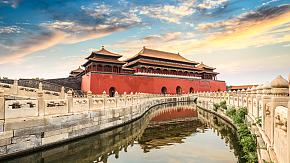
In the icy grip of northern China and high mountains, you can admire amazing ice sculptures in Harbin or explore the snow-capped Forbidden City in Beijing. The mountains are covered by snow in Huangshan and Zhangjiajie and are still open for visiting.
Contrastingly, southern regions, such as Guangzhou and Hong Kong, enjoy milder winters, great for a city walk to explore the local culture.
Apart from the view, winter is the off-season in China. There will be fewer domestic travelers. And you can book hotels and tickets at a cheaper price. For example, a standard room in a 4‑star hotel in Shanghai can cost roughly 20 % less in winter than during the peak season from June to August.
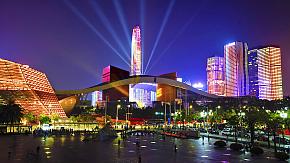
What Is the Weather Like in China in Winter
Key Points: Cold and snowy in Northern China, chill and humid in Southern China
Winter weather in China varies quite a lot between the north and the south. In the north, it snows and the climate is very dry, with average temperatures below zero degrees Celsius. However, in the south, it doesn't snow and average temperatures stay above zero. Most of the time, the weather is sunny, with occasional rain, and snowfall is very rare.
Here are the winter temperatures from December to February of some Chinese cities for your reference.
| Region | Destination | Weather in Winter (December-February) |
| Northern China | Beijing | -5°C to 8°C. Cold, dry, and mostly sunny. Great for winter walks and visiting historical sites with warm clothing. |
| Xi'an | 0°C to 10°C. Cold and dry on sunny days. A good time to explore ancient sites without summer heat. | |
| Harbin | -25°C to -10°C. Extremely cold and snowy, ideal for ice festivals and winter scenery. | |
| Eastern China | Shanghai | 3°C to 10°C. Cool and humid with occasional cloudy or rainy days. Feels colder due to damp weather. |
| Hangzhou | 2°C to 10°C. Cool and humid with occasional rain. The damp winter weather can feel colder than the actual temperature. | |
| Southern China | Guilin | 6°C to 14°C. Cool and humid with occasional rain. The landscape remains attractive with winter mist. |
| Shenzhen | 13°C to 22°C. Mild with comfortable temperatures, suitable for outdoor sightseeing. | |
| Southwestern China | Chengdu | 5°C to 12°C. Mild but humid, with cloudy days and occasional drizzle. Comfortable for pandas and city exploration. |
| Yunnan | 5°C to 20°C. Mild and sunny in many areas, but temperatures vary greatly between cities and elevations. | |
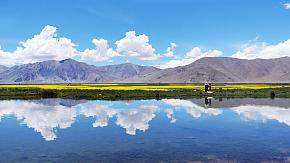
| Western China | Tibet | -5°C to 10°C. Cold but sunny and dry, with strong daytime sunshine. Large temperature differences between day and night. |
Recommended Places to Travel in China in Winter
Winter in China offers very different travel experiences depending on what you are looking for. You can enjoy snowy mountain landscapes or escape the cold with a warmer trip to southern and southwestern China. Here are some of the best places to visit in China during winter.
For First-Time Visitors: Beijing, Xi'an, & Shanghai
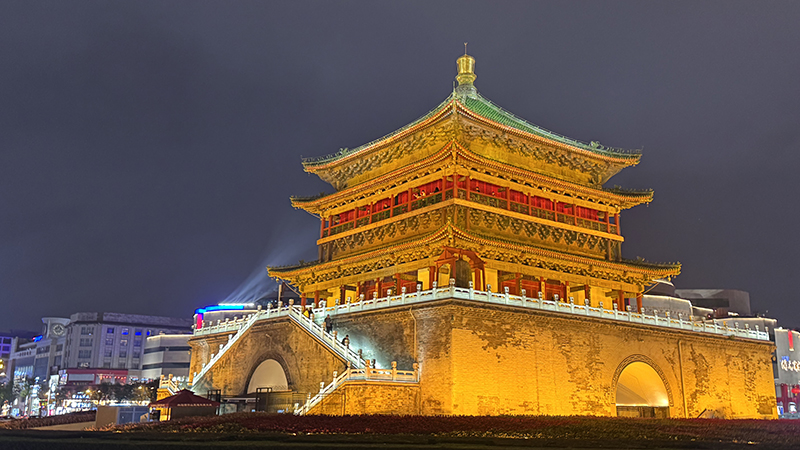 Ancient Bell Tower in Xi'an
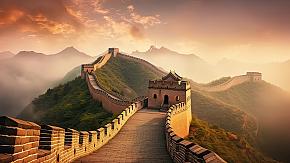
If this is your first time to visit China, Beijing, Xi'an, and Shanghai are great choices for a winter journey. In Beijing, ancient palaces and the Great Wall look especially impressive under clear skies, and a light snowfall can turn the historic sites into a beautiful winter scene. Xi'an offers a chance to explore China's ancient capital at a slower pace, from the Terracotta Warriors to the old city wall, without the intense summer heat. In Shanghai, winter is a good time to enjoy the city's mix of old and new, from the misty views along the Huangpu River to historic neighborhoods and museums with fewer crowds.
For Snowy Landscapes: Harbin, Huangshan & Changbai Mountain
If you want to experience China's winter scenery, these destinations offer very different kinds of snowy landscapes. From world-famous ice sculptures to snow-covered mountains and frozen lakes, each place showcases a unique side of winter.
Harbin
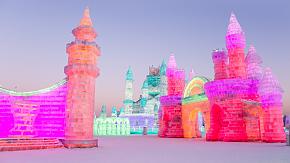
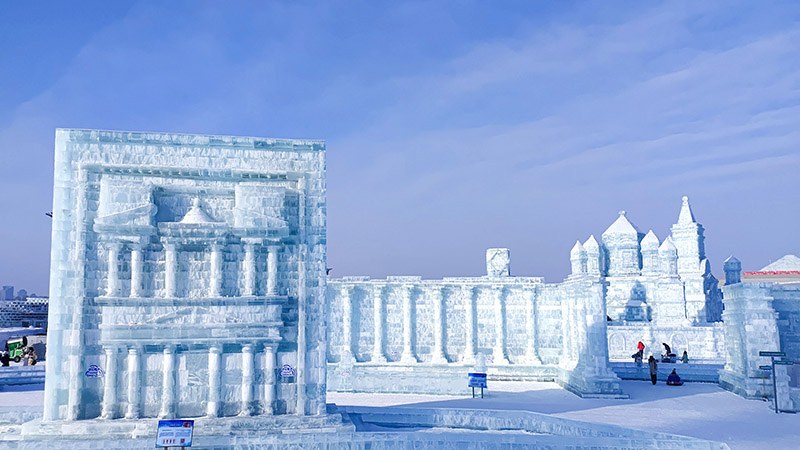 Harbin Ice and Snow World
- Average Temperature: -25°C to -10°C
- Top Experiences: Visit the Harbin Ice and Snow Festival, admire giant ice sculptures at Ice and Snow World, enjoy skiing, and experience northern winter culture.
Harbin is one of China's most iconic winter destinations, famous for its spectacular ice and snow scenery. From late December to early February, the Harbin Ice and Snow Festival brings giant ice sculptures, colorful displays, and a unique northern winter atmosphere. You can also enjoy activities such as skiing, ice skating, and exploring the city's Russian-influenced architecture.
Huangshan
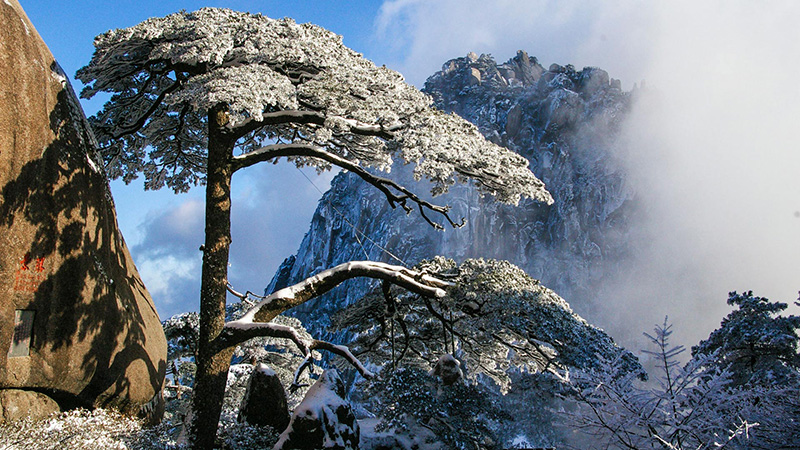 Mount Huangshan in winter
- Average Temperature: -2°C to 8°C
- Top Experiences: Enjoy snow-covered mountain scenery, watch the Sea of Clouds, hike among ancient pine trees and granite peaks, and relax in Huangshan Hot Springs.
Winter transforms Huangshan Mountain into a peaceful landscape of snow-covered peaks, frost-covered pine trees, and sea of clouds. With fewer visitors and dramatic scenery, it is a great time for hiking, photography, and enjoying the mountain views from a quieter perspective.
Changbai Mountain
- Average Temperature: -20°C to -5°C
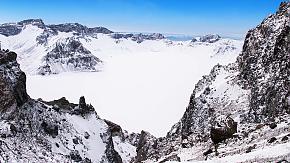
- Top Experiences: Visit the frozen Heaven Lake, explore snow-covered forests, go skiing, try snow activities, and experience hot springs.
Changbai Mountain offers a true northern winter adventure, with deep snow, frozen lakes, snowy forests, and outdoor activities. In winter, you may see the famous Heaven Lake surrounded by snow and experience hot springs in a beautiful mountain setting.
For a Warmer Winter Escape: Southern & Southwestern China
If you prefer warmer weather and outdoor exploration, southern and southwestern China are ideal winter destinations. Many areas enjoy mild temperatures and comfortable conditions for sightseeing.
Yunnan
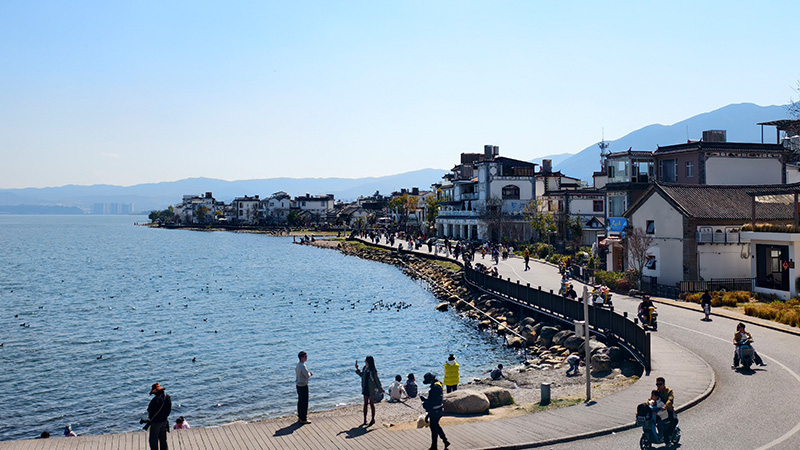 Erhai Lake in Dali, Yunnan
- Highlights: Lijiang Old Town, Yuhu Village, Shuhe Ancient Town, Erhai Lake, Dianchi Lake
- Average Temperature: 5°C-20°C (41°F-68°F)
Dry, sunny winters and temperatures ranging from 5°C to 20°C (41°F to 68°F), depending on the region, make Yunnan a popular choice for a winter escape. In Lijiang, the Lijiang Old Town is still on the top list, but you can visit Yuhu Village or Shuhe Ancient Town if you prefer a quieter atmosphere. At Dali's Erhai Lake, or along the shores of Dianchi Lake in Kunming, you can cycle around and enjoy the mild winter weather. You can also see large numbers of red-billed gulls around Dianchi Lake, which arrive here during the winter months.

Chengdu
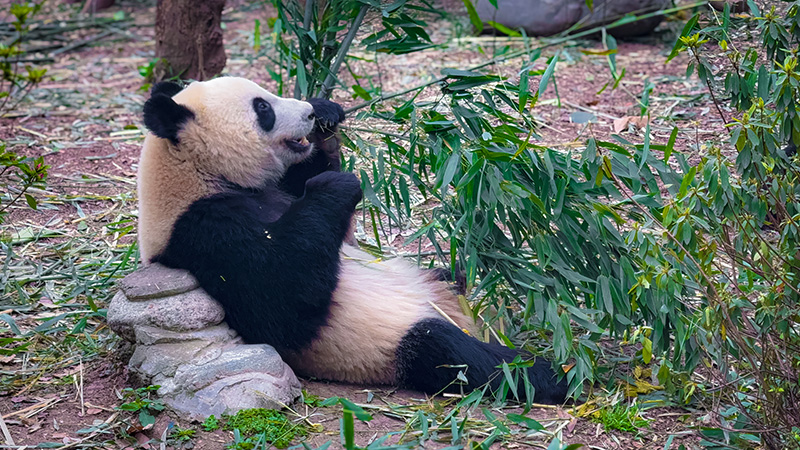 A panda having bamboo in a base in Chengdu
- Highlights: Chengdu Panda Base, Chengdu food tour, Dujiangyan, Qingcheng Mountain
- Average Temperature: 5°C-12°C (41°F-54°F)
Winter is a great time to visit Chengdu's panda bases, as pandas do not hibernate and remain active throughout the season. The cooler weather and fewer visitors can also make panda viewing more enjoyable. You can also explore Chengdu's food culture or take day trips to Dujiangyan and Qingcheng Mountain without the heat of summer.
Chongqing
- Highlights: Hongya Cave, Liziba Station, Chongqing hot pot
- Average Temperature: 7°C-13°C (45°F-55°F)
The cooler winter weather makes it easier to explore Chongqing's hilly streets and landmarks such as Hongya Cave and Liziba Station without the intense summer heat. The city's famous night views can be enjoyed year-round, while winter's cooler temperatures make walking around after dark more pleasant. The same goes for Chongqing hot pot, which is especially inviting when the weather is cooler.
Hong Kong
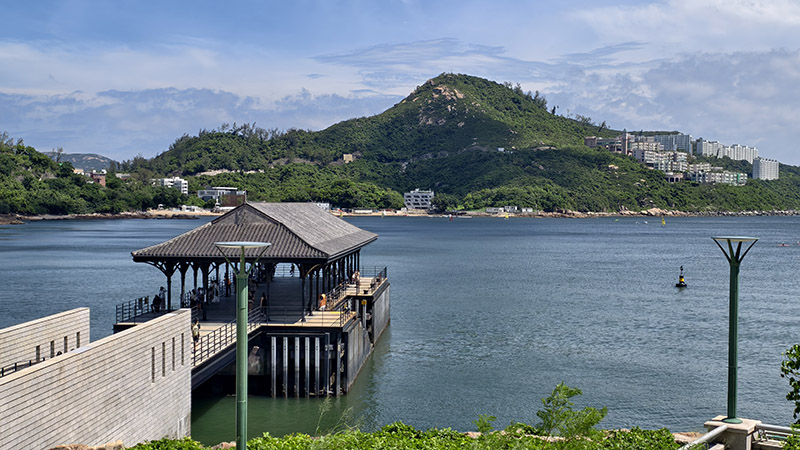 The Stanley Market in HongKong
- Highlights: Victoria Harbour, Tsim Sha Tsui, Hong Kong Disneyland
- Average Temperature: 15°C-22°C (59°F-72°F)
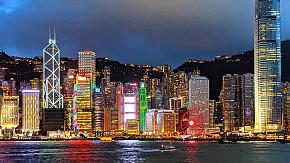
Hong Kong's mild winter weather and festive atmosphere make it a great choice for a family holiday. The city embraces Christmas with festive decorations and events, including special celebrations at Hong Kong Disneyland. For New Year's, you can watch the Countdown Fireworks Show at Victoria Harbour or take a harbor cruise to enjoy the illuminated skyline.
Shenzhen
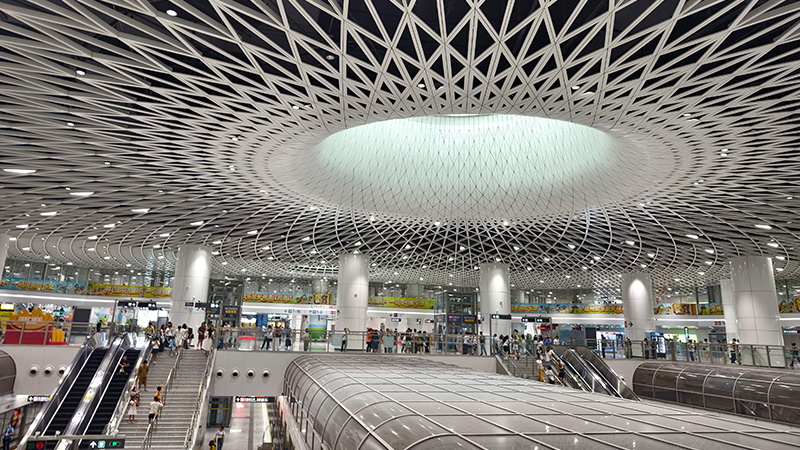 Gangxia North Station, aka Shenzhen's Eye
- Highlights: DJI Flagship Store, drone food delivery, robotaxis, Shenzhen Bay Park, Shenzhen Talent Park
- Average Temperature: 12°C-22°C (54°F-72°F)
Shenzhen is a great winter destination if you are interested in China's latest technology. You can explore a wide range of indoor tech experiences, from DJI's flagship store to robotics and smart robot exhibitions. Winter's relatively dry weather also makes it a good time to try outdoor experiences such as drone food delivery and autonomous robotaxis, which may be temporarily suspended during heavy rain. Beyond the tech scene, the cooler weather is ideal for walking or cycling at Shenzhen Bay Park and Shenzhen Talent Park.
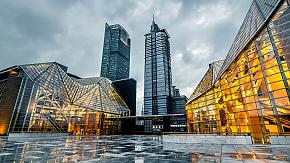
Guangzhou
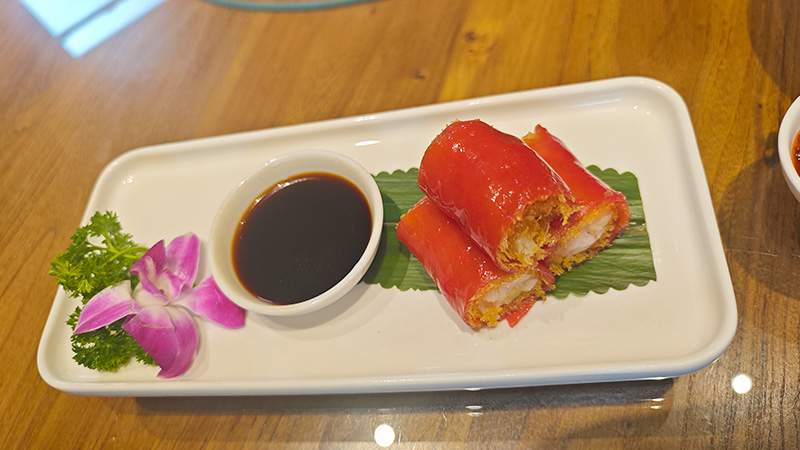 Cantonese Dim Sum
- Highlights: Canton Tower, Nanyue King Museum, Haixinsha Tech Future Island, Xihua Road Food Market
- Average Temperature: 10°C-20°C (50°F-68°F)
Winter brings pleasantly mild weather to Guangzhou, so you can easily explore its ancient history, local food culture, and modern-day tech.
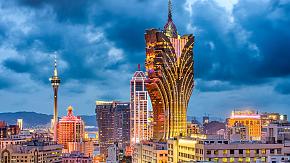
The Canton Tower is still on the must-see list. You can take in sweeping city views at the observation deck on the top floor, and it is also well worth visiting after dark for its spectacular night scenery. At Nanyue King Museum, you can see the royal tomb and excavated artifacts that tell Guangzhou's story from more than 2,000 years ago, including early Sino-foreign exchanges. At Haixinsha Tech-Future Island, you can try hands-on digital and AI exhibits showcasing future-city innovations, ranging from self-driving transport and drone delivery to next-generation urban living. If you're a food lover, head to Xihua Road Food Market to experience authentic Cantonese food culture.
Festivals to Attend in China in Winter
1. Chinese New Year (Also Called Spring Festival)
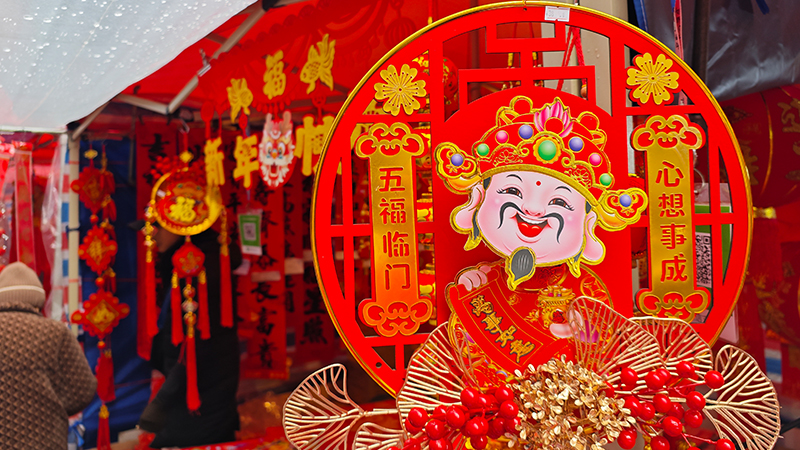 The Spring Festival decorations sold in a market
- Date: late January to mid-February (depending on the Chinese lunar calendar)
In winter, China stands on the threshold of the lunar year's end, readying itself for its most resplendent spectacle - the Chinese New Year. Beijing comes alive with temple fairs, lion dances, and traditional markets, while Shanghai's Yuyuan Garden is transformed by spectacular lantern displays. In Guangdong, flower markets and lion dances are part of the festive atmosphere, while some communities also hold traditional youshen (deity processions), where ornate statues of deities are carried through the streets accompanied by drums, music, and performances. Harbin, meanwhile, combines Chinese New Year celebrations with its famous ice and snow scenery.
2. Harbin Ice & Snow Festival
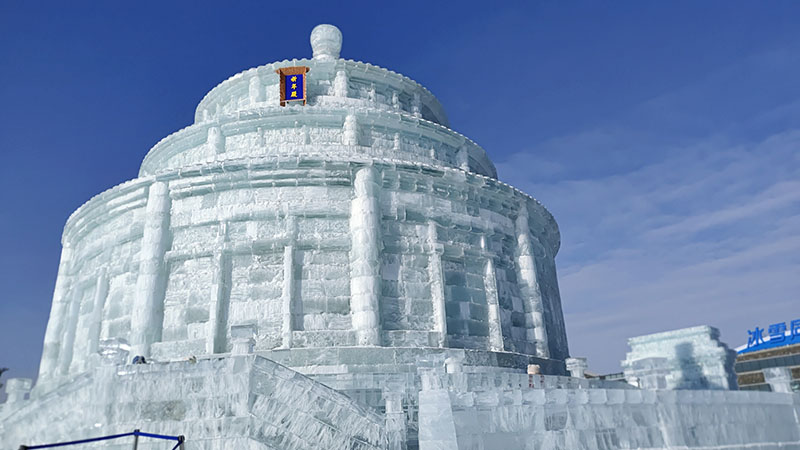 The ice sculptures at Harbin Ice and Snow World
- Date: from January 5 to mid-February
Harbin undergoes a striking metamorphosis during the Harbin Ice and Snow Festival in winter. It becomes an open-air gallery, where meticulously crafted ice sculptures, ablaze with brilliant illumination, rise like frozen titans against the crisp winter sky. You can slip through a crystal replica of the Great Wall on a sled, meander across an awe-inspiring ice palace, or delve into the infectious enthusiasm of the international ice-sculpting competition.
The main celebration will be held in Harbin Ice & Snow World, a themed park with numerous ice sculptures and activities on ice. Usually, the park is available for visiting since late December each year.
How Many Days to Spend in Winter in China
We recommend spending around 1 to 2 weeks traveling in China during winter. This allows for a more relaxed pace while giving you enough time to explore multiple destinations without feeling rushed. With this timeframe, you can usually visit 2 to 4 places, depending on travel distances and your interests.
If you prefer a shorter trip of about a week, focusing on 1 or 2 destinations is more comfortable. Overall, for a more in-depth experience, an itinerary around 10 days offers better flexibility and variety.
Here is a classic 6-day winter itinerary covering Beijing and Harbin.
- Days 1-3 in Beijing: During these days, you will visit some of the city's most iconic landmarks, including the Forbidden City, the Great Wall, and the Temple of Heaven. In winter, these historic sites can be covered in snow, creating a unique and scenic atmosphere while offering insight into China's rich history and traditional culture.
- Day 4-6 in Harbin: The second half of your trip takes you to Harbin, where you will visit the famous Ice and Snow World to see impressive ice sculptures and illuminated displays. You can also explore Siberian Tiger Park, St. Sophia Cathedral, and Central Street while experiencing the city's strong Russian influence and vibrant winter atmosphere.

If you have more than 10 days, you can consider extending your trip by adding Shanghai and Changbai Mountain:
- Day 7-9 in Changbai Mountain: At China's largest dormant volcano, Changbai Mountain, you can experience a range of winter activities, including hot springs, snow parks, and skiing, along with dramatic snowy landscapes.
- Day 10-12 in Shanghai: Your final stop is Shanghai, where you can experience a different side of China shaped by a blend of Eastern and Western cultures. Highlights include Yuyuan Garden, a walk through the Former French Concession, and a Huangpu River cruise to view the skyline and historic buildings along the Bund from a new perspective.
Travel Tips for Visiting China in Winter
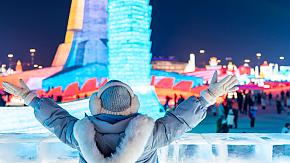
1. Pack warm clothes and shoes. In the winter of China, temperatures can drop below freezing. Ensure you pack thick coats, scarves, hats, gloves, and thermal underwear. Consider bringing moisturizers and lip balms to protect your skin from the dry winter air. Also, it is advisable to bring layers so you can adjust to indoor and outdoor temperatures.
2. Prepare for crowds during holidays. Chinese New Year is a peak travel period with significant crowds at popular tourist destinations. Expect higher prices and book your accommodations and travel tickets in advance. Patience and planning are key during this bustling period.
3. Explore China's Winter With China Odyssey Tours. This winter, discover the snow-draped China that will stir your soul and ignite your wanderlust. Let China Odyssey Tours create travel plans and handle possible hassles for you, so you can enjoy your trip to the fullest. Feel free to contact us or write to trip@odynovotours.com for your exclusive itinerary and price list.
Related Posts You May Like