Is It Safe to Visit China Now? (Updated in 2026)
Safety is one of the first things many travelers consider when planning a trip to a new country. For international travelers visiting China, the answer is reassuring: China is a safe and welcoming destination. Public spaces are well-managed, violent crime is uncommon, and most travelers find that daily activities are easy to navigate. However, safety means more than just crime rates. From transportation and food to traveling with children, solo female travel, and dealing with unexpected situations, there are still practical things worth knowing before your trip.
In this article, we will share what you can expect when traveling in China and the simple tips that can help you enjoy a safer and smoother journey.
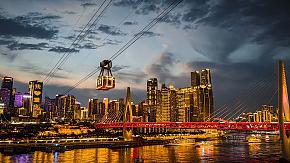
 Chongqing’s skyline at night
- How Safe Is China in Daily Life
- China's Transportation Is Safe & Well-Organized
- Is It Safe to Walk Around at Night
- Is China a Good for Solo Female Travelers
- Traveling in China with Young Children
- What Is It Like for LGBTQ+ Travelers in China
- What to Do If You Face an Emergency in China
- Tips for a Safe and Smooth Trip in China
How Safe Is China in Daily Life?
 Shanghai Unitree Robotic Center
One thing that often surprises first-time travelers in China is the sense of trust and order they notice in everyday life. You may have seen videos on TikTok or YouTube showing travelers leaving a bag on a seat for a short time without worrying about it being taken or delivery packages left outside homes or in unattended pickup areas without being disturbed.
This is not just about individual experiences. It reflects how many aspects of daily life in China are organized around convenience and public order. Public spaces are generally well-managed, and everyday activities such as exploring neighborhoods, using public transportation, and visiting attractions are usually easy for international travelers.
This sense of safety comes from several factors. Security cameras are widely used in public areas and can support investigations when needed. Meanwhile, the widespread use of mobile payments such as WeChat Pay and Alipay means many people carry less cash, reducing opportunities for traditional theft.
One of our guests, Cristian M, shared similar impressions after visiting China in May 2026:
"We found the country to be remarkably clean, modern, safe, and well-organized. Everywhere we went, people were polite, friendly, and welcoming, and the service was consistently excellent."
China's Transportation Is Safe & Well-Organized
If you are planning to visit China, transportation safety is likely one of your concerns. In general, daily transportation in China is well-managed, with systems in place to keep travel organized and secure.
At airports, train stations, and subway stations, passengers must pass security checks before entering, while all bags and suitcases are screened for flammable or explosive items.
When taking taxis or private transfers, vehicles are usually equipped with monitoring systems that record the journey. These records can provide useful information if any issues need to be checked later. Ride-hailing apps such as DiDi also allow passengers to track routes and access emergency assistance features.
When you walk around cities, you will notice that vehicles usually slow down and give way at pedestrian crossings. One thing to be aware of is electric bikes. In many cities, sidewalks include designated parking areas for e-bikes. As a result, you may occasionally see riders riding onto sidewalks to park their e-bikes.
Is It Safe to Walk Around at Night?
Yes, it is. Many Chinese cities remain lively after dark. Restaurants, convenience stores, shopping malls, and local shops often stay open late, while residents go out for dinner, late-night snacks, evening walks, or activities like square dancing in neighborhood parks. In popular areas, the flow of local residents and open businesses creates a relaxed atmosphere for travelers exploring the city at night.
The nighttime atmosphere depends more on the season and the area you visit than simply the location. Major cities such as Beijing, Xi'an, Chengdu, Chongqing, and Guangzhou all have busy food streets, shopping districts, and entertainment areas that remain active into the evening. During winter, however, outdoor activities may become less frequent in northern cities when temperatures drop below freezing, and some streets may become quieter earlier.
As with traveling anywhere, it is still recommended to avoid isolated, poorly lit areas late at night and stay in places with regular foot traffic, especially when exploring a new city on your own.

Is China a Comfortable Destination for Solo Female Travelers?
For solo female travelers, China is easy to explore independently. Major cities have convenient public transportation, well-developed travel facilities, and plenty of lively public spaces, including shopping areas, cafes, and popular attractions. These make it simple to move around, discover local culture, and enjoy the trip at your own pace.
To better introduce how it feels to travel alone in China, we invited Phoebe Lee, a solo travel vlogger on YouTube, to explore China with us for about a week. During her trip, Phoebe visited Beijing, Xi'an, Nanjing, and Shanghai, experiencing some of China's most popular landmarks, including the Terracotta Warriors and the Bund, as well as trying local specialties.
After the trip, Phoebe shared 4 vlogs about her China journey on YouTube. From her experience, she felt safe and respected while traveling in China on her own, and she also gave positive feedback about the itinerary and support from our guide.
If you are planning a solo trip to China with us, we will arrange private transportation, a dedicated English-speaking guide, and ongoing support from our travel consultants and local team. Whether you need help with daily arrangements or unexpected situations, you will always have someone to contact, allowing you to enjoy your journey with greater ease.

What to Know When Traveling in China with Young Children
Traveling in China with young children is often easier than many parents expect. Major cities have many family-friendly facilities that make daily travel more convenient. Shopping malls and popular attractions usually provide nursing rooms and family restrooms, while many public places are stroller-friendly with elevators, wide walkways, and accessible areas. The main things to prepare for are crowded places, unexpected health issues, and keeping your schedule flexible.
Here are a few things we recommend for families traveling with young children:
Stay Close in Crowded Places
Popular attractions, train stations, and shopping areas can become very busy, especially during weekends and holidays. For example, places like the Forbidden City or Shanghai Disneyland can have large crowds, and it is easy for a child to lose sight of their parents for a moment.
For younger children, we recommend holding hands or keeping them close in busy areas. It can also help to agree on a simple meeting point in advance, such as a ticket office, an information desk, or a clearly marked entrance, in case you get separated.
Know Where to Get Medical Help
In China, public hospitals usually have dedicated pediatric departments, and some cities also have specialized children's hospitals. Many of these hospitals provide emergency services during the night, so families can still seek medical help outside regular hours.
If you are traveling in major cities such as Beijing, Shanghai, or Chengdu, you can also consider private hospitals or international clinics. These facilities usually provide English-speaking services and are experienced in assisting international patients, making communication and the overall process more convenient for international families.

What Is It Like for LGBTQ+ Travelers in China?
 Xitang Ancient Town in Shanghai
In most situations, your sexual orientation will not affect your travel experience, and serious safety concerns related to being LGBTQ+ are uncommon.
In larger cities such as Beijing, Shanghai, and Chengdu, LGBTQ+ travelers may find a more open atmosphere, especially in international areas, cafes, and some nightlife venues. However, public displays of affection are generally less common among all couples in China, so many people, regardless of sexual orientation, tend to keep relationships more private in public spaces.
What to Do If You Face an Emergency in China
Serious emergencies are uncommon when traveling in China, but knowing how to get help can make you feel more prepared. Save the following numbers and keep these tips in mind before your trip.
In urgent situations, you can call these free emergency numbers:
- Police: 110
- Ambulance: 120
- Fire & rescue: 119
- Traffic accidents: 122
If you do not speak Chinese, you can still get assistance. After connecting, you can say, "English, please." Emergency centers may provide English support or connect you with translation assistance when available.
You can also use a translation app to explain your situation or ask people nearby for help. Hotel receptionists, shop staff, and security guards are usually the easiest people to approach. If you are worried about communication, save these Chinese phrases on your phone in advance:
- For police assistance: "我遇到紧急情况了,请你帮我报警。" (I have an emergency. Please help me call the police.)
- For medical help: "我很不舒服,请你帮我叫救护车。" (I don't feel well. Please help me call an ambulance.)
Get Support from Your Guide When Needed
 A special moment for our clients' china trip
If you are traveling with a guide, reaching out to them is often the most direct and reassuring option. They can help contact emergency services, communicate with medical staff, and assist with on-site procedures.
Here is one example of how our team supported clients when the unexpected happened. We once had a couple traveling in China for nearly 30 days to celebrate their anniversary. While visiting Chengdu, our guide noticed that the wife was not feeling well and immediately accompanied her to a local hospital and helped with communication with the doctor.
Although the unexpected situation meant they had to miss some of their planned activities, we still wanted to help them celebrate their special occasion. So we prepared a small Chinese-style wedding anniversary celebration for the couple, giving them a special memory to take home from their trip.
It was an unexpected interruption to their journey, but our guide was there to support them every step of the way. When the journey came to an end, the couple shared the following review on TripAdvisor:
"What impressed us most was the consistency of service throughout the entire month. Every guide was professional, personable, punctual, and genuinely interested in making sure we had an exceptional experience. Transfers were seamless, communication was excellent, and the itinerary balanced major highlights with authentic local experiences."

Tips for a Safe and Smooth Trip in China
- Keep your passport safe. Your passport is your most important travel document in China. Keep it secure at all times and carry a copy (digital or printed) as a backup. You may need your passport for train travel, hotel check-ins, or other identity checks.
- Drink bottled water rather than tap water. Tap water in China is generally not recommended for direct drinking. Your hotel will provide at least 2 free bottles of water per day. And you can buy bottled water in supermarkets, convenience stores, and hotels.
- Use mobile payments when possible. China is a cashless society. Set up Alipay and WeChat Pay with your international credit card before you arrive. While cash is legally accepted, many vendors may not have change.
- Get a reliable VPN. WhatsApp, Google Maps, Instagram, and Gmail are blocked in China. Buy and test a reputable VPN (or use an international eSIM with data roaming, which often bypasses the firewall automatically) before landing.
- Cultural note on personal space: In crowded places like subways or queues, locals may stand much closer to you than you are used to in Western countries. This is normal social behavior in high-density areas and does not indicate negative intentions. If you feel uncomfortable, simply take a small step forward to politely create space.
Plan Your China Tour With a Professional Tour Company
Traveling with a professional tour company gives you more than just convenience. It means having local support that understands how to handle real situations on the ground, so you do not need to deal with language barriers, navigation, or unexpected situations on your own. Everything is handled for you, so you can focus on enjoying the trip.
If you are planning your first trip to China or traveling with family, we can help you design a route that feels comfortable from start to finish. Feel free to contact us or write to trip@odynovotours.com to start planning your journey.
Related Posts You May Like