How to Plan a Senior-Friendly Trip to China?
If you're in your 60s or 70s and planning a trip to China, you may have a long list of places you'd love to see, from the Great Wall and ancient cities to scenic rivers and mountain landscapes. Planning a senior trip to China starts with choosing the places that interest you most and connecting them into a rewarding journey.
This guide offers practical advice on choosing destinations, planning your route, and deciding when to visit. You'll also find tips on making sightseeing easier if you have health or mobility concerns.
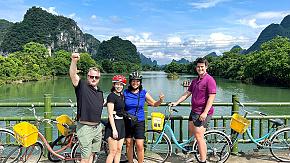
 Our guests at the Tiananmen Square
How Many Days and Cities: A Realistic Pace for Senior Travelers
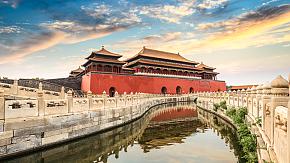
 The Summer Palace in Beijing
Most first-time visitors to China choose a trip of around 10 to 14 days. However, many senior travelers have more flexibility with travel dates and can plan a longer stay if they wish. You can decide how many days to spend in China based on your interests and schedule. We recommend staying at least 2 nights in each city, giving you time to explore without rushing from place to place.
A common mistake is trying to see everything in ten days: Beijing, Xi'an, Shanghai, and Chongqing, all on one trip. At that pace, you may spend more time in transit than enjoying each destination. We plan around your energy level and interests rather than trying to fit in as many places as possible.
Here are some tips for planning the length of your trip:
- Allow time to adjust to the time difference. If you're arriving from North America or Europe, consider spending two or three nights in your arrival city rather than moving on immediately.
- Build in a full rest day. On longer trips we leave one mid-trip day open. No fixed plans, just a slow morning and whatever you feel like doing.
- Avoid unnecessarily early departures. A 6 a.m. flight may save time on paper, but getting up before dawn can leave you tired for the rest of the day. When possible, consider flights around noon or in the afternoon.
For middle-aged and older travelers, a well-paced itinerary leaves you more time to enjoy each destination without feeling rushed.
Best Places to Visit in China for Seniors, by Travel Style
China has something for every kind of traveler, from scenic river cruises and classical gardens to historic landmarks and mountain trails. We've selected destinations to suit different interests and activity levels, with practical tips to help you choose the right experiences and plan a trip at your own pace.
Scenic Journeys and Relaxed Experiences
These destinations are ideal if you prefer a more relaxed pace. Options such as sightseeing cruises and cable cars can help you take in the scenery while greatly reducing the amount of walking required.
Yangtze River Cruise
 Enjoy the view of Yangtze River
- Best for: Travelers who enjoy dramatic river scenery, cultural excursions, and a journey without frequent hotel changes.
A Yangtze River cruise takes you through the Three Gorges, where steep cliffs rise above the river. You can enjoy the scenery from the deck, join onboard activities, and visit riverside attractions along the way. Since you stay on the same ship, you do not need to pack and unpack at every stop.
Shore excursions offer different experiences. Goddess Stream and the Lesser Three Gorges bring you closer to the area's dramatic landscapes, while the Three Gorges Ship Lift offers an unusual look at a major engineering project. Fengdu Ghost City has temples and uphill paths, while Shibaozhai is known for its distinctive wooden pagoda.
We suggest you choose shore excursions that match your pace. Some shore excursions are included in the cruise fare, while others require an extra fee. Before booking, check both the cost and the activities involved. Consider how much walking, climbing, or standing each trip requires, and choose according to your fitness level and interests. You can skip more demanding excursions and enjoy a slower day on board if you prefer.

Guilin
 Li River in Guilin
- Best for: nature lovers who want to enjoy karst mountains, rivers, and countryside, with options ranging from sightseeing cruises to outdoor activities.
Guilin and nearby Yangshuo are known for limestone peaks, winding rivers, and peaceful rural landscapes. A Li River cruise is a classic way to see the scenery, while the Yulong River offers a closer look at the countryside from a bamboo raft.
There are several types of bamboo rafts on the Yulong River. We recommend the larger motorized rafts, which offer more space, a smooth ride, and views of the river's best scenery. They have no age limit, making them a good option for senior travelers. The classic two-person hand-rowed rafts are also popular, but they may not suit everyone. Under local rules, visitors over 70 cannot ride them, and passing over small dams can make the ride a little bumpy. If you prefer to stay on land, you can take a leisurely walk along the well-maintained riverside paths and enjoy the scenery at your own pace.
The Longji Rice Terraces offer another side of the region, with layered rice fields and villages set into the hills. If you plan to stay overnight, you can stay in the hotels in the village. It's wise to ask if the hotel can pick you up. Because our car generally can only reach the parking lot outside the village, and some guesthouses require a walk along sloping paths or steps from the parking lot.

Suzhou
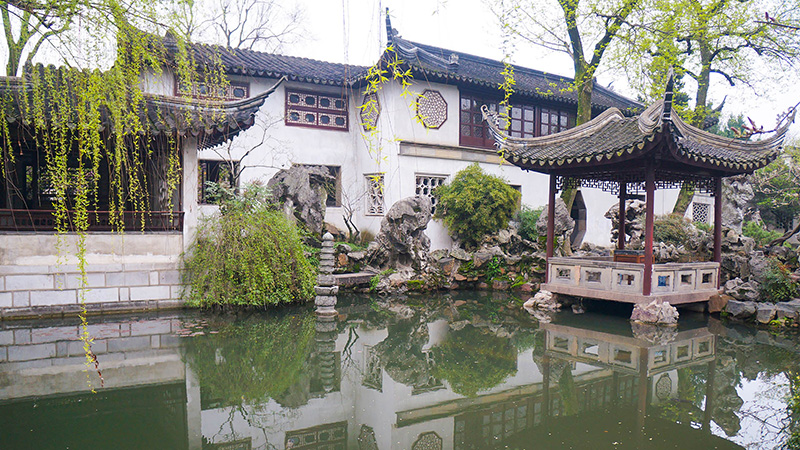 The Lingering Garden in Suzhou
- Best for: Travelers interested in classical Chinese gardens, canals, and traditional arts.
Suzhou's classical gardens, including the Humble Administrator's Garden and Lingering Garden, showcase Chinese garden design through ponds, rockeries, pavilions, and carefully arranged plants. Rather than rushing through several gardens, choose one or two that interest you and take time to appreciate their details.
A canal cruise adds another perspective on the city's history. Traditional hand-rowed boats offer an intimate experience, while larger motorized boats provide more space, regular seating, and air conditioning. The larger boats can be a practical choice if you prefer a more spacious ride or find getting into a small boat awkward. Some cruises last around 45 minutes and feature Suzhou Pingtan, a traditional form of storytelling and music.
For a relaxing pace, consider combining a garden visit with a canal cruise and time to explore the old town. If boarding a small boat is a concern, check the entrance steps and boat layout when booking instead of assuming every cruise has the same setup.
Hangzhou
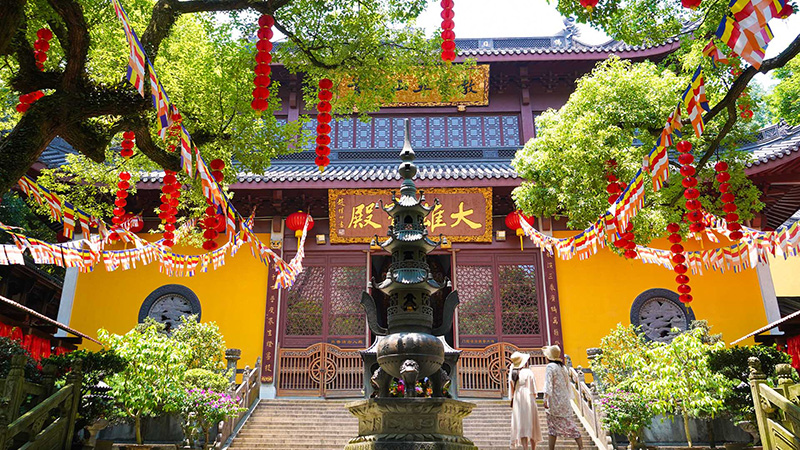 Lingyin Temple in Hangzhou
- Best for: Travelers who enjoy lakeside scenery, Buddhist heritage, and local food.
Hangzhou brings together West Lake, historic temples, and regional cuisine. A boat ride on West Lake offers views of the shoreline and surrounding hills, while Leifeng Pagoda provides a different perspective over the lake. Escalators help you reach the pagoda, and an elevator inside the pagoda can save your energy from climbing up.
Lingyin Temple is worth visiting for its Buddhist art and architecture. You can explore the temple halls and the nearby Feilai Peak carvings, or spend more time around the entrance plaza and enjoy the atmosphere of incense and worship. There are popular vegetarian restaurants near both Lingyin Temple and Leifeng Pagoda, serving tasty dishes with light, mild flavors.
West Lake and Lingyin Temple deserve time of their own. Avoid packing too many stops into one day, especially if you want to enjoy a lake cruise, explore the temple grounds, and try local food without rushing.

China's Classic Cities and Cultural Highlights
Beijing, Xi'an, Chengdu, and Shanghai combine major landmarks with distinctive local experiences. Each city has enough to fill several days, so choosing a few highlights based on your interests is usually more rewarding than trying to see everything at once.
Beijing
 The Forbidden City in Beijing
- Best for: First-time visitors interested in imperial history, Chinese culture, and iconic landmarks
When you plan to visit Beijing, setting priorities for each major attraction is important. Beijing's major attractions, especially the Forbidden City, the Temple of Heaven, and the Great Wall, cover large areas and often draw heavy crowds. Focus on each site's main highlights instead of trying to see everything.
At the Forbidden City, a highlights route through the three main halls, the imperial living quarters, and the Imperial Garden takes around 2 hours, depending on your pace and the crowds. This covers the palace's main landmarks without exploring every hall and courtyard.
At the Temple of Heaven, enter through the North Gate for a more direct walk to the Hall of Prayer for Good Harvests, the park's best-known landmark. You can focus on the main building rather than covering the park's extensive paths.
For the Great Wall, Mutianyu is a practical choice. Take the cable car up and down to avoid the long uphill approach and descent on foot. You will still need to walk along the wall, where steps and uneven surfaces are common, so you can decide how far to go based on your energy and the crowds.

Xi'an
 Terracotta Warriors in Xi'an
- Best for: History lovers interested in ancient China, archaeology, and traditional food
If you are interested in Chinese history, Xi'an is a city worth adding to your itinerary. Its main historical sights are also relatively easy to explore at your own pace.
The Terracotta Army is a highlight, with thousands of life-size figures displayed in large exhibition halls. Shuttle buses connect the visitor area with the halls, and the paths inside are mostly level, with only a few steps. A guide can help bring the history of the warriors to life as you explore the different pits.
For a broader look at China's past, the Shaanxi History Museum displays archaeological finds and cultural objects from across the region. Elevators make it possible to move between floors without climbing stairs.
You can also walk along Xi'an's ancient city wall, though getting up to the top usually involves climbing a staircase roughly as high as a two- or three-story building. If you prefer to avoid the climb, Hanguang Gate has an accessible elevator that provides an alternative way up.
Chengdu
 Giant pandas in Chengdu Panda Base
- Best for: Travelers who enjoy pandas, traditional culture, teahouses, and Sichuan cuisine.
Chengdu is a good place to enjoy China's slower side, from watching pandas in a leafy setting to sipping tea in a traditional teahouse. You can combine these relaxed experiences with visits to historic temples and an evening Sichuan opera performance, without packing too much into one day.
If seeing pandas is a priority, consider Panda Valley in Dujiangyan rather than Chengdu Panda Base. The main base has a larger panda collection, but popular viewing areas can get crowded. Panda Valley is smaller and surrounded by woodland, creating a quieter setting. It also generally involves less walking than Chengdu Panda Base.
For a taste of local life, you can visit Wenshu Monastery or Wuhou Shrine before spending some time in People's Park. The teahouses here are ideal for sitting down with a cup of tea and watching daily life unfold. These stops can be combined into a relaxed cultural outing, with time to enjoy each place rather than rushing between attractions. In the evening, a Sichuan opera performance with face-changing adds a distinctive local experience to your trip.

Shanghai
 Aerial view of Shanghai
- Best for: Travelers interested in architecture, city life, waterfront views, and modern China.
Shanghai is an easy city to explore at a relaxed pace, with many sights suited to leisurely walks through historic neighborhoods and along the waterfront.
For a quieter look at the Bund and Pudong's striking skyline, visit in the morning, when there are fewer tourists and you may see local older residents practicing tai chi or exercising by the river. If you prefer an evening outing, take a Huangpu River cruise around dinner time and enjoy a meal while watching the city's illuminated skyline.
You can also explore the former French Concession, admire the architecture around Wukang Building and Bugaoli, or browse the small shops and narrow lanes of Tianzifang. Yuyuan Garden offers a different experience, with traditional Chinese garden design and winding paths.
The streets in the former French Concession and around the Bund can be confusing, and many historic buildings look similar at first glance. We recommend exploring these areas with a guide. You'll be less likely to lose your way and can hear the stories behind the historic buildings as you walk, making the experience more meaningful.
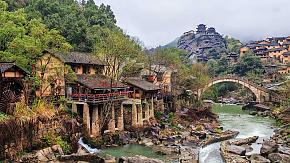
Mountain Scenery and Silk Road Adventures
Huangshan, Zhangjiajie, and the Silk Road ask for more than the lists above. The climbing is real, but cable cars and lifts do the vertical work, and we keep the days short with long breaks at the top. If you can manage a cable car and a relaxed pace, these are well within reach.
Huangshan (Yellow Mountain)
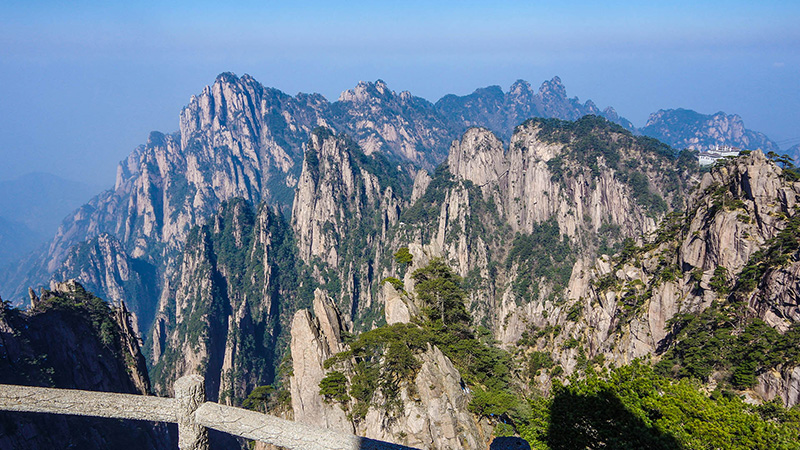 Huangshan Mountain
- Best for: Nature lovers who enjoy mountain landscapes, photography, and hiking.
Huangshan is known for its dramatic granite peaks, unusual pine trees, and sea of clouds. You don't have to tackle the entire mountain to enjoy its scenery. With a carefully chosen route, you can visit several highlights while keeping the hike manageable.
We recommend focusing on Shixin Peak, Beihai Scenic Area, Bright Summit, and the Guest-Greeting Pine, while skipping Tiandu Peak and the West Sea Grand Canyon, which involve some of the mountain's steepest and most demanding climbs. Take the Yungu cable car up to start your visit. From there, much of the route through these highlights is downhill, although some uphill sections remain. There are also places along the way to stop and rest when needed.
Staying overnight on the mountain gives you a chance to see sunrise or sunset, weather permitting. Hotels near Qingliang Terrace are popular options, but check the hotel's location and the walking route to your chosen viewpoint before booking. Even with cable cars, Huangshan has stone steps, slopes, and uneven paths, so allow plenty of time between stops.

Zhangjiajie
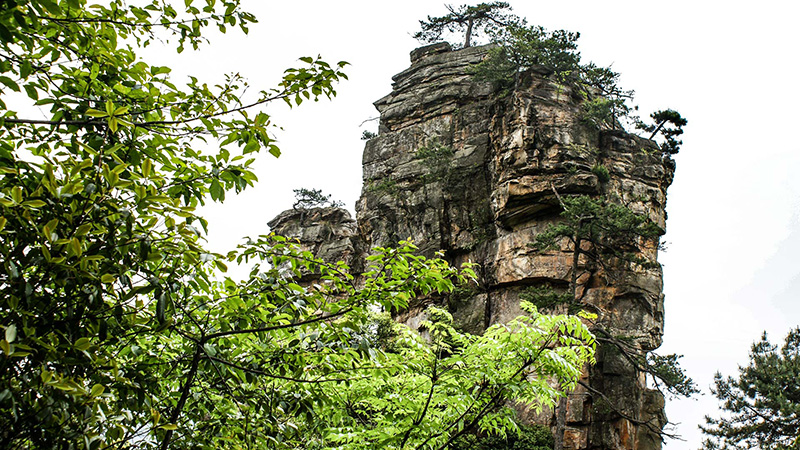 Zhangjiajie National Forest Park
- Best for: seniors who love dramatic mountain scenery and can manage some walking.
Zhangjiajie is known for its towering sandstone pillars, forested valleys, and spectacular mountain views. Its two main attractions are Tianmen Mountain, famous for its dramatic cliffs and the natural arch of Tianmen Cave, and Zhangjiajie National Forest Park, where you can see the iconic rock pillars rising above the forest.
Tianmen Mountain is famous for its dramatic cliffside views and the 999 steps leading up to Tianmen Cave. It has equiped with facilities to save your energy. You can take the cable car up the mountain and use the escalators near the cave to avoid climbing all 999 steps.
Zhangjiajie National Forest Park has a different layout. Shuttle buses connect its main scenic areas, and cable cars serve selected routes. From some bus stops, allow another 5-10 minutes to reach a viewpoint. Yuanjiajie is a good place to focus on the iconic pillar scenery, while Yangjiajie and Huangshizhai involve more steps and climbing. If you plan to visit both Tianmen Mountain and the national forest park, set aside a separate day for each and choose your stops according to how much walking you want to do.

Silk Road
 The Mogao Grottoes
- Best for: seniors interested in history, cave art, and desert landscapes who can plan around long distances.
The Silk Road takes you through ancient Buddhist art, desert landscapes, and historic cities shaped by centuries of cultural exchange. From Lanzhou west to Dunhuang, Zhangye, and Xinjiang, each stop reveals a different side of this historic route.
In Dunhuang, the Mogao Caves are a highlight for their Buddhist murals and sculptures. Some caves involve steps, so if stairs are difficult for you, the Dunhuang Museum's replica displays are an alternative. At Zhangye Danxia, sightseeing buses connect the main viewing platforms, reducing the need for long walks. In Lanzhou, visit the Yellow River Mother Sculpture and the Gansu Provincial Museum to explore the region's history and culture. If time allows, continue west to discover more Silk Road sites in Xinjiang.
Northwest China is very dry, especially around Dunhuang and Xinjiang, so bring moisturizer and lip balm and drink water regularly. Distances between destinations can also be long, so allow enough time for transfers.

High-Altitude Destinations: Choose Your Route Carefully
 The Potala Palace in Lhasa
Senior travelers don't necessarily need to rule out all high-altitude destinations. Some places, such as Jiuzhaigou, Shangri-La, and Lhasa, may be easier to reach because of their transport connections. However, convenient transport does not remove the effects of altitude, and suitability depends on your health and the specific itinerary.
Other areas in western Sichuan, Gannan, and remote parts of Tibet require more careful planning. Many routes involve long drives, which can be tiring, especially when combined with the need to adjust to higher elevations.
If you're considering a high-altitude destination, we can help plan a gradual itinerary, starting at a lower elevation where practical and reducing activities that involve strenuous walking or climbing. If you feel unwell at altitude, don't rely on portable oxygen to continue sightseeing. Stop the activity and seek medical advice, especially if symptoms persist or worsen.

Recommended 15-Day China Itinerary for Seniors
This 15-day route combines China's history, natural scenery, and modern city life without rushing between too many destinations. It suits seniors who can walk short distances independently but prefer a relaxed pace with regular breaks. We can arrange cable cars and other mobility aids where available, though some walking and steps may still be required.
This is just a sample itinerary. You can adjust the trip length, destinations, and activities to match your interests and mobility, creating a private trip tailored to your needs.
Day 1 to 3: Beijing
Beijing is where the journey begins, and the first three nights let you ease in gently before anything demanding. You can explore the Forbidden City and the Temple of Heaven over relaxed mornings, take a peaceful boat ride across the Summer Palace lake, and ride a cable car up the Great Wall at Mutianyu. Then a high speed train takes you to Xi'an.
Day 4 to 6: Xi'an
In Xi'an, you can meet the Terracotta Warriors without rushing, with a battery cart covering the walking so you save your energy for the museum itself. Around that, the days are for wandering: the Ancient City Wall, an afternoon with a local family, and a slow morning before flying on to Chengdu.
Day 7 to 8: Chengdu
Chengdu is a short, sweet stop where you can watch pandas munch bamboo at the Panda Base in the morning, then settle into People's Park or Kuanzhai Alley for tea and a leisurely stroll. By evening, a high speed train carries you to Chongqing.
Day 9 to 10: Chongqing
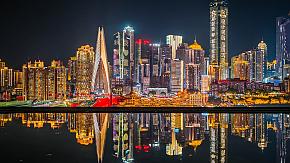
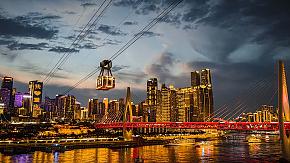
Chongqing is all about hills, rivers, and lights, and you can take it at whatever pace feels right: watch the monorail glide through an apartment building at Liziba, see Hongya Cave's stilted houses glowing after dark, and end the day with a hotpot dinner. A morning train then takes you to Zhangjiajie.
Day 11 to 12: Zhangjiajie
Zhangjiajie looks like something out of a painting, and the good news is you can enjoy it from cable cars and the Bailong Elevator, with a gentle walk along Golden Whip Stream and the views from Huangshi Village. From here, you'll take a six-hour train to Shangrao, where we'll drive you to Wangxian Valley.
Day 13: Wangxian Valley
Wangxian Valley is the quiet gem of the trip, best known for its night views, and you can also enjoy a slow morning there before the flight to Shanghai.
Day 14 to 15: Shanghai
Shanghai closes the journey with a modern touch: you can stroll along the Bund, wander through Yuyuan Garden, try the DJI drone experience center, and take a ride in an autonomous vehicle for a glimpse of the future, before an easy airport transfer sees you home.
Travel Tips for Seniors: What to Prepare Before You Go
 Our guests visited the Great Wall with us
A few preparations can make your China trip easier to manage, especially when traveling between regions with different climates or visiting attractions with many steps.
- Pack for changing temperatures. Northern China can be very cold in winter, while southern cities may feel damp and chilly. Mountain areas can be colder than nearby cities. Bring layers, a warm jacket when needed, and shoes with good grip for stone paths and steps.
- Bring your regular medication. Pack enough for the whole trip, plus extra in case of delays. Keep medicines in their original packaging in your carry-on, with prescriptions or a doctor's note. Check China's import rules for your medication before departure.
- Check insurance coverage carefully. Make sure your policy covers medical treatment in China and emergency evacuation. If you have a pre-existing condition, confirm whether it is covered before buying the policy.
- Check the walking involved in your itinerary. Cable cars and sightseeing buses do not always take you directly to the main viewpoint. Ask about steps, slopes, and walking distances in advance, and leave time to rest between demanding visits.
Why a Private, Tailor-Made Tour Works Best for Seniors
A well-planned trip should fit your pace, not make you rush to keep up. With a private, tailor-made tour, you can spend more time at the places you enjoy, take breaks when needed, and adjust the day's plans to how you feel. Your private guide handles the daily arrangements, while our 24/7 support team is available whenever you need assistance.
Here is what that feels like in practice, from one of our guests on Tripadvisor:
"Our family of 10 (four teenage children, four adults, and two seniors) toured key sites throughout Beijing with John from Odynovo. The trip was well-paced with each day full of sites and food. We never felt rushed and had plenty of time to thoroughly explore each area."- Written by Jennifer L.
If you need help planning your trip to China, simply contact us or email trip@odynovotours.com to tell us your pace and interests.
Related Posts You May Like